
Renault
KWID
Price on request
Hatchback
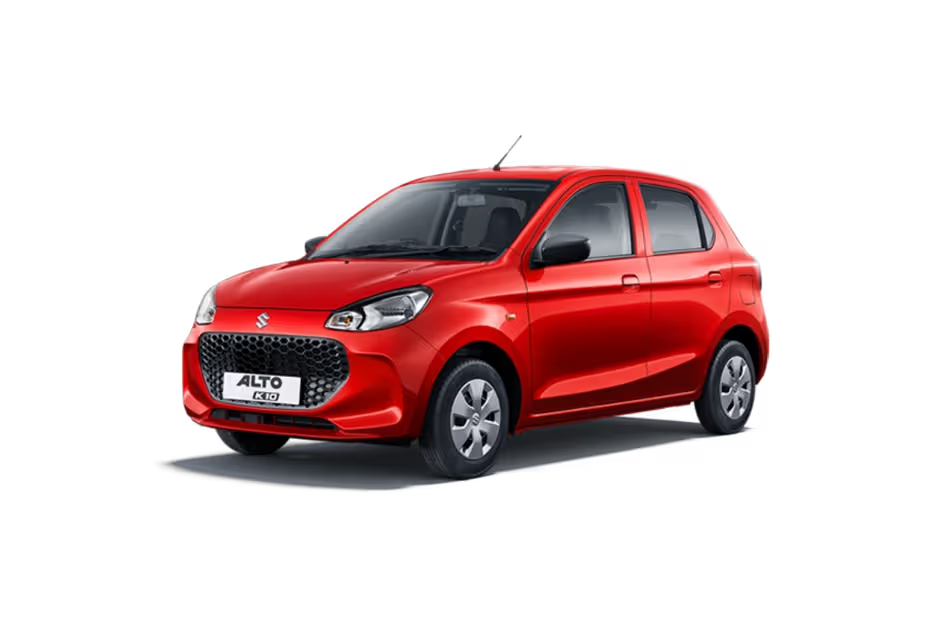
Maruti Suzuki
Alto K10
₹3.70L - ₹4.00L
8.5AI Car
Advisor Score
Petrol
Hatchback
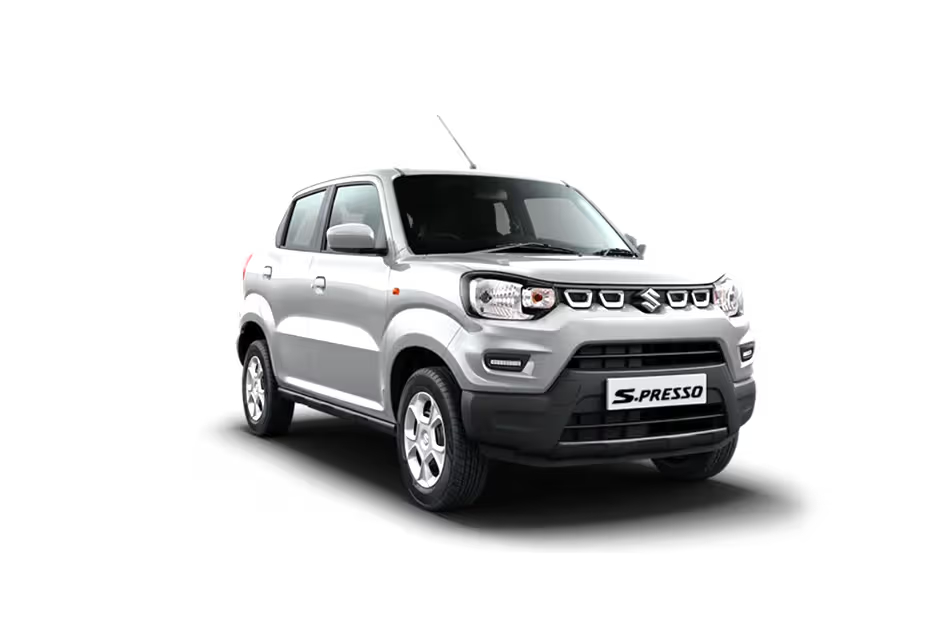
Maruti Suzuki
S-Presso
₹3.50L - ₹3.80L
8.5AI Car
Advisor Score
Petrol
Hatchback
Buying a car in India today means choosing between hundreds of models, dozens of price points, and completely different ownership experiences. Most buyers don't just compare price tags anymore — they want real mileage, actual maintenance cost, safety ratings, and what the car will cost five years from now. That's why starting with your budget — and working outward — is the smartest way to shortlist the right car. We cover the best cars under different budgets in India for 2026 — from practical hatchbacks under ₹5 lakh to premium SUVs above ₹40 lakh, with honest comparisons, real numbers, and no dealer bias.
Renault
KWID
Price on request
Hatchback
Maruti Suzuki
Alto K10
₹3.70L - ₹4.00L
Petrol
Hatchback
Maruti Suzuki
S-Presso
₹3.50L - ₹3.80L
Petrol
Hatchback
India's most searched new cars across budget segments — from affordable hatchbacks to family SUVs — with live prices, specs, and on-road estimates.
Maruti Suzuki
Alto K10
₹3.70L - ₹5.45L
Petrol
Hatchback
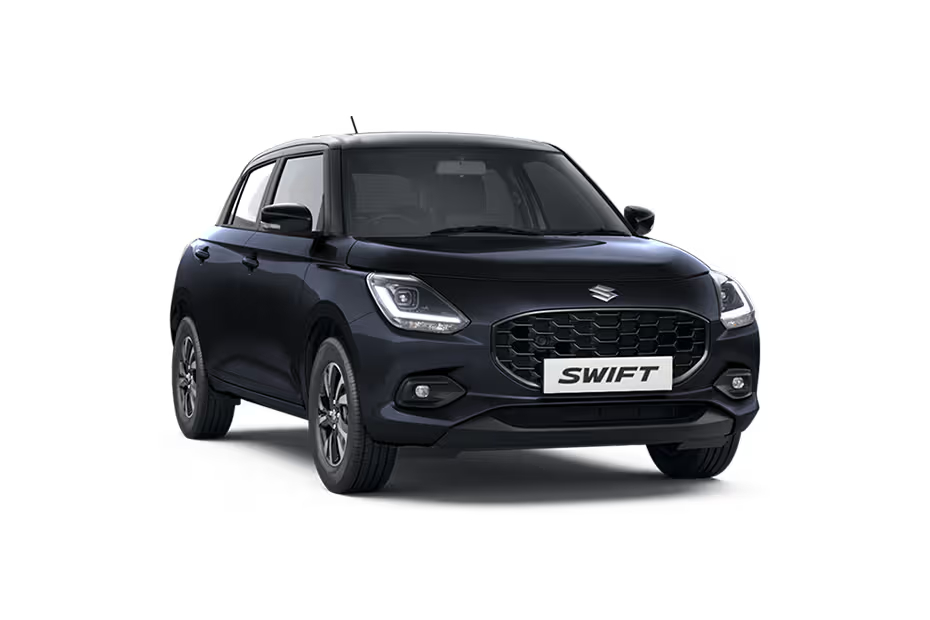
Maruti Suzuki
Swift
₹5.79L - ₹8.80L
Petrol
Hatchback
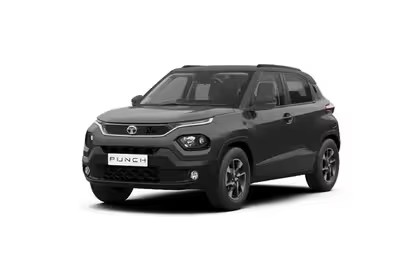
Tata
Punch
₹6.24L - ₹10.67L
Petrol
Subcompact SUV
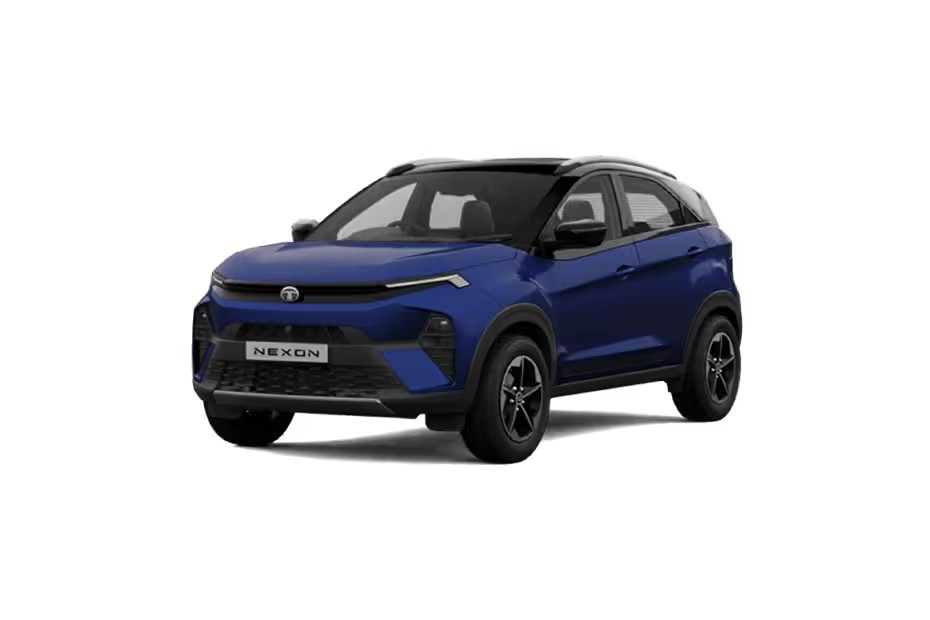
Tata
Nexon
₹7.32L - ₹18.10L
Petrol
Subcompact SUV
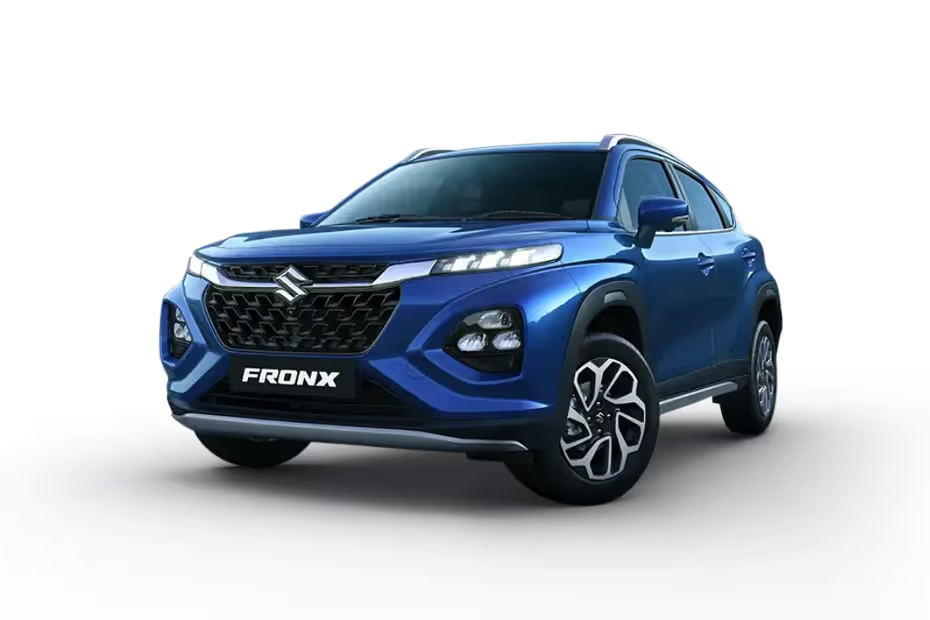
Maruti Suzuki
Fronx
₹7.54L - ₹12.90L
Petrol
Subcompact SUV
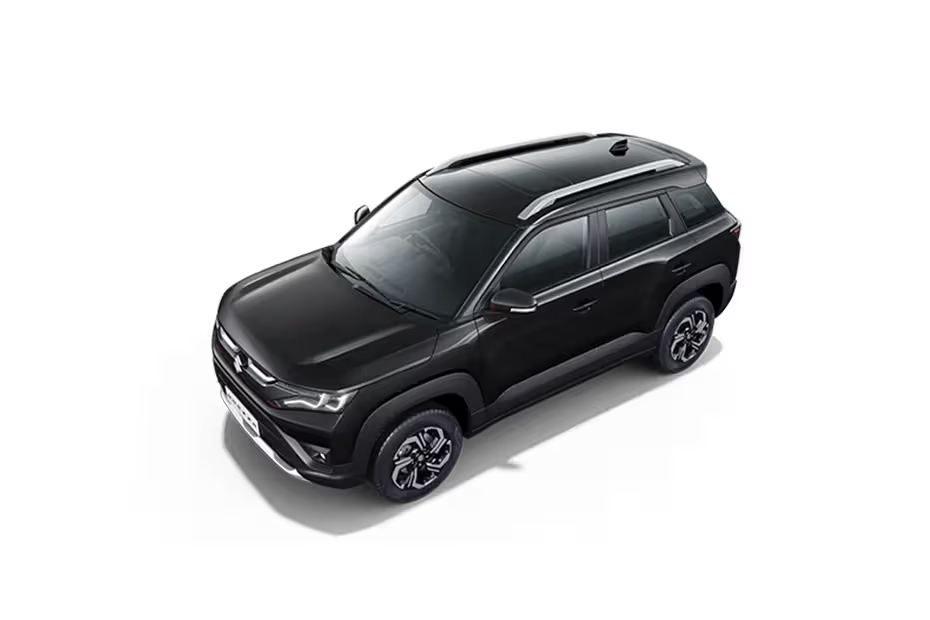
Maruti Suzuki
Brezza
₹9.17L - ₹13.01L
CNG
Subcompact SUV
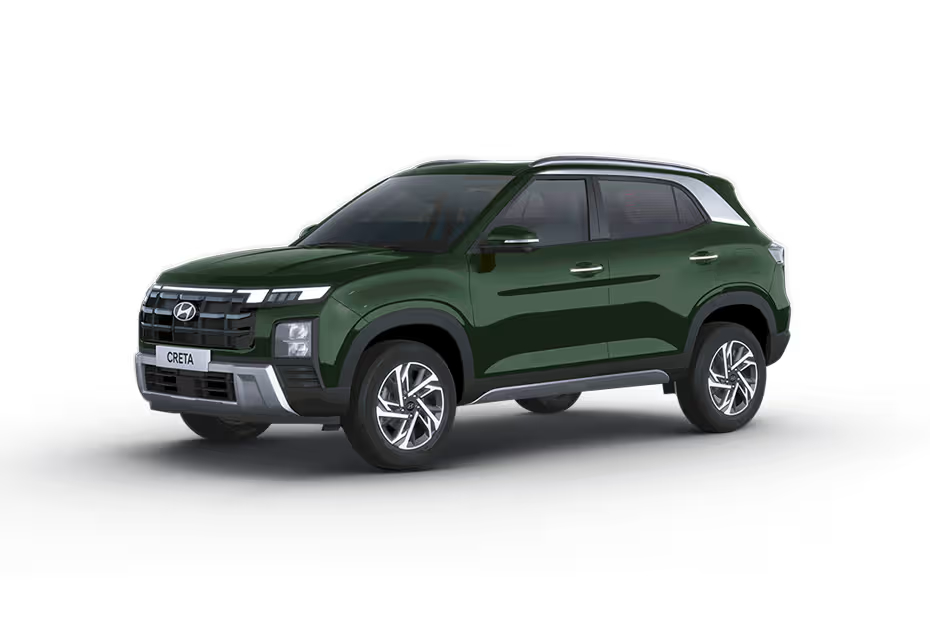
Hyundai
Creta
₹12.06L - ₹20.20L
Petrol
Compact SUV
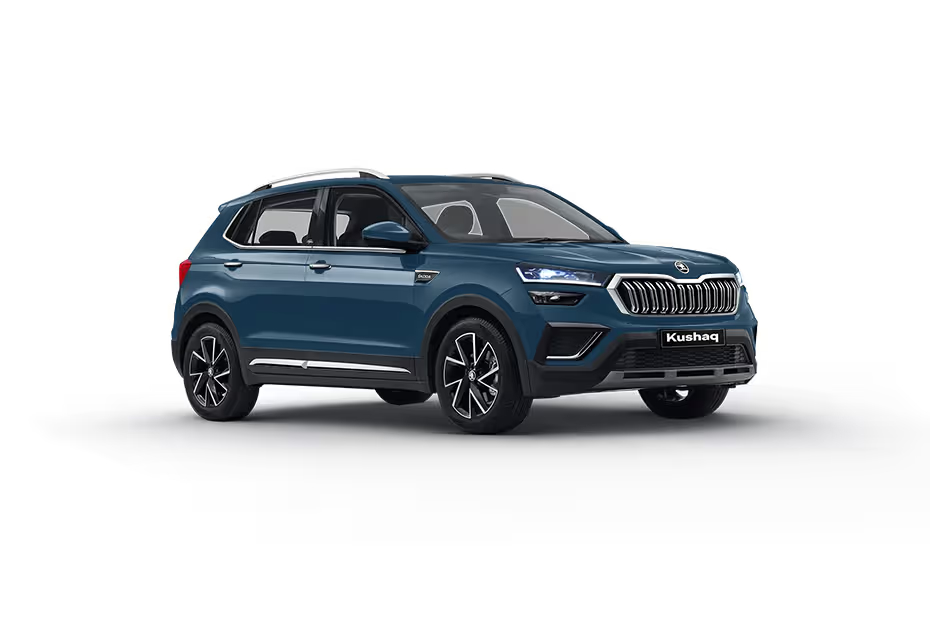
Skoda
Kushaq
₹10.66L - ₹18.99L
Petrol
Compact SUV
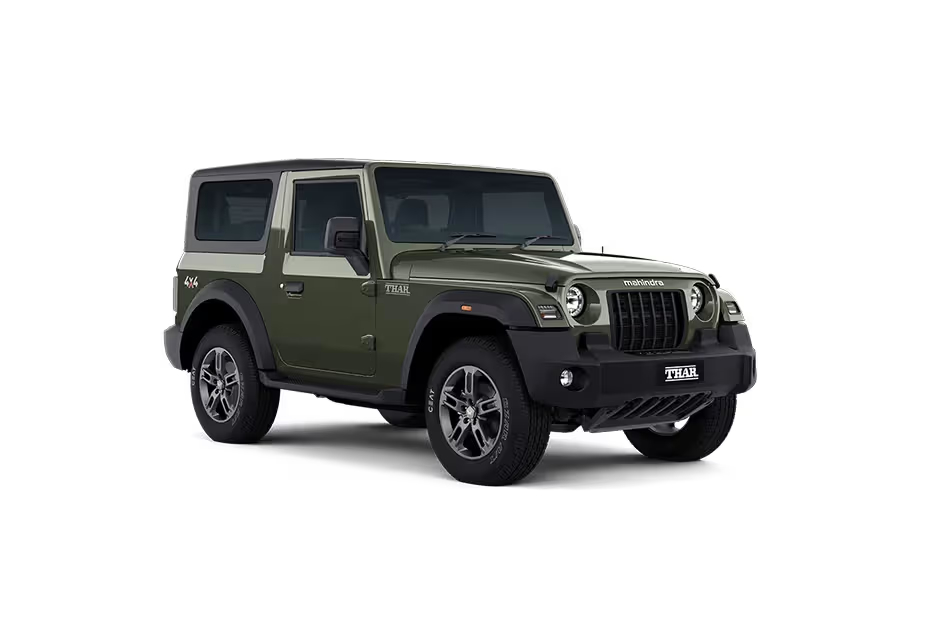
Mahindra
Thar ROXX
₹12.25L - ₹22.82L
Petrol
Mid-size SUV
Budget is the starting point — but it's rarely the only factor that matters. Most buyers shortlist based on a combination of things: how far they drive each month, whether they need space for a family, how much they want to spend on fuel and servicing, and what safety rating they can live with.
This section breaks down the best car options by specific need — not just price. Family use, fuel efficiency, automatic preference, and long-term ownership value each get their own section.
Family car buying in India usually comes down to four things: cabin space, safety rating, fuel cost, and how much the car costs to service each year.
For smaller families in cities, the Tata Punch is the most practical starting point. It's compact enough for tight traffic, sits high enough for a good road view, and carries a 5-star NCAP rating that most ₹8–10 lakh competitors can't match.
If your family needs a third row, the Maruti Ertiga makes more sense. It's one of India's most trusted 7-seater MPVs — spacious, fuel-efficient, and affordable to maintain over long-term ownership.
For families ready to spend ₹15 lakh+, the Hyundai Creta and Maruti Grand Vitara Hybrid are the two strongest options. The Creta gives you the better interior and features. The Grand Vitara Hybrid is widely preferred by buyers prioritising lower long-term fuel costs — especially for families who drive a lot each month.
| Best For | Recommended Cars |
|---|---|
| Compact family SUV | Tata Punch |
| Practical 7-seater | Maruti Ertiga |
| Premium family SUV | Hyundai Creta |
| Fuel-efficient family SUV | Grand Vitara Hybrid |
While comfort and practicality are important, many buyers also prioritise mileage and everyday fuel savings.
Mileage is still the number one concern for most Indian car buyers — and for good reason.
Fuel costs can add up to ₹60,000–₹80,000 per year for buyers driving 1,500 km/month on petrol. Choosing the right fuel type and the right car for your driving pattern can cut that significantly.
For budget buyers under ₹8 lakh, the Maruti Alto K10, WagonR, and Dzire all deliver 20+ km/l real-world mileage and the lowest servicing costs in their respective segments.
CNG variants — like the WagonR CNG — go further. In cities with strong CNG infrastructure like Delhi, Pune, and Ahmedabad, running costs can drop by 40–50% compared to a petrol equivalent.
For buyers spending ₹12–20 lakh, the Maruti Grand Vitara Hybrid and Toyota Hyryder Hybrid are the clear fuel efficiency leaders. Owner-reported mileage commonly ranges between 20–27 km/l in mixed city driving conditions — diesel-level efficiency without the diesel engine.
| Usage Type | Recommended Cars |
|---|---|
| Affordable daily commuting | Alto K10 |
| Low running cost | WagonR CNG |
| Efficient family sedan | Maruti Dzire |
| Hybrid fuel efficiency | Grand Vitara Hybrid |
Many buyers who travel frequently on highways also prefer SUVs that offer better road presence, cabin comfort, and driving confidence.
SUVs now account for more than 50% of new car sales in India — and the segment keeps growing.
The appeal is practical: higher ground clearance handles Indian roads better, the elevated seating position improves visibility, and most families find the cabin space more comfortable for long trips.
If you want an SUV under ₹10 lakh, the Tata Punch and Nissan Magnite are the two realistic options. The Punch leads on safety. The Magnite leads on features-per-rupee.
Between ₹10–15 lakh, the Hyundai Creta, Tata Nexon, and Kia Sonet are the most well-rounded choices. All three balance safety, features, and daily usability — but for slightly different buyer profiles. The Creta is for premium buyers. The Nexon is for safety-first buyers. The Sonet is for feature-maximisers.
Above ₹25 lakh, the Mahindra XUV700 and Toyota Fortuner separate themselves. The XUV700 wins on tech and value. The Fortuner wins on highway dominance and resale retention.
| Best For | Recommended SUVs |
|---|---|
| Compact urban SUV | Tata Punch |
| Safety-focused buyers | Tata Nexon |
| Balanced family SUV | Hyundai Creta |
| Highway comfort and space | Mahindra XUV700 |
Although SUVs offer better space and road presence, many city users still prefer automatic cars for easier daily driving.
If you drive in city traffic regularly, automatic transmission is worth paying for. The fatigue difference between a manual and automatic in stop-start traffic is real — especially over a 45-minute commute each way.
Not all automatics are equal, though. Here's how they compare:
AMT (Automated Manual): The most affordable option. Available in cars like the Maruti Baleno AMT and Tata Tiago AMT. Works well at city speeds but can feel jerky during quick acceleration. Best for buyers who want automatic convenience on a tight budget.
CVT (Continuously Variable): Smoother than AMT. The Hyundai i20 CVT is one of the best examples — seamless power delivery in city driving. Less engaging on highways but excellent for daily commuting.
DCT (Dual-Clutch): The most responsive option. The Kia Sonet DCT is the standout pick — quick gear shifts, more sporty feel, and better highway performance than CVT or AMT.
IVT (Intelligent Variable Transmission): Hyundai's version found in the Creta — combines the smoothness of CVT with better real-world efficiency. A strong choice for mixed city and highway use.
| Driving Need | Recommended Cars |
|---|---|
| Budget automatic hatchback | Baleno AMT |
| Affordable city automatic | Tiago AMT |
| Smooth city commuting | Hyundai i20 CVT |
| Sporty compact SUV | Kia Sonet DCT |
Apart from mileage and features, long-term ownership cost is another major factor for many buyers.
For Indian buyers planning to own a car for 5+ years, maintenance cost matters as much as the buying price.
Maruti Suzuki dominates this category for a clear reason — their spare parts are made locally, their service centres are everywhere (including smaller towns), and their annual servicing costs are consistently the lowest in any price segment they compete in.
The Alto K10, WagonR, Baleno, and Dzire all follow this pattern. Low service cost, decent resale value, and wide availability of mechanics who know the cars well.
Hyundai is the second-best option for long-term ownership. Service quality is higher in urban markets, parts are reasonably priced, and resale demand for models like the Creta and i20 remains strong in India's used car market.
Toyota sits slightly above both in terms of long-term reliability — especially for buyers spending ₹15 lakh+. The Innova HyCross and Fortuner routinely appear in high-mileage ownership stories with strong long-term reliability and low mechanical issues.
Before you finalise any car for long-term ownership, check four things: annual service cost, spare part availability in your city, resale demand on Cars24 or Spinny, and the brand's warranty terms.
| Ownership Priority | Recommended Cars |
|---|---|
| Lowest upkeep cost | Alto K10 |
| Reliable daily commuting | WagonR |
| Premium hatchback ownership | Baleno |
| Long-term family usage | Maruti Dzire |
When brand-level reliability matters as much as price, compare service costs, resale retention, and owner-reported issues across manufacturers before locking your shortlist.
The price you see in the ad is rarely the price you actually pay — or what the car costs you each year.
Most buyers in India focus on the ex-showroom price and monthly EMI. What they underestimate are the costs that come after: insurance, fuel, annual servicing, tyre replacements, and how much the car loses in value every year.
Here's a segment-by-segment breakdown of what car ownership actually costs in India.
Under IRDA regulations, third-party insurance is mandatory for every vehicle in India. Comprehensive coverage — which most buyers opt for in the first three years — varies based on the car's declared value and segment.
Estimated Annual Insurance (Comprehensive)
| Budget Segment | Estimated Annual Insurance |
|---|---|
| Under ₹5 Lakh | ₹8,000 – ₹12,000 |
| ₹5–10 Lakh | ₹14,000 – ₹22,000 |
| ₹10–15 Lakh | ₹22,000 – ₹35,000 |
| ₹20–30 Lakh | ₹40,000 – ₹65,000 |
| Above ₹40 Lakh | ₹80,000 – ₹1,50,000+ |
Source: IRDAI insurance estimates and current market premium trends (2025–26). Figures are estimates — your actual premium depends on insurer, NCB discount, chosen add-ons, and claim history. Always get quotes from 2–3 insurers before renewing.
Scheduled servicing, consumables, brake pads, filters, and tyres make up the bulk of annual maintenance costs. Maruti Suzuki consistently scores the lowest here due to its nationwide service network density and Indian-sourced spare parts.
| Budget Segment | Estimated Annual Maintenance |
|---|---|
| Under ₹5 Lakh | ₹6,000 – ₹10,000 |
| ₹5–10 Lakh | ₹10,000 – ₹18,000 |
| ₹10–15 Lakh | ₹16,000 – ₹28,000 |
| ₹20–30 Lakh | ₹30,000 – ₹55,000 |
| Above ₹40 Lakh | ₹60,000 – ₹1,20,000+ |
European and luxury brand maintenance costs run 40–60% higher than Indian and Korean equivalents in the same price bracket.
Assuming 1,500 km/month of mixed city and highway driving across major Indian cities like Delhi, Mumbai, Bengaluru, and Chennai:
| Fuel Type | Real-World Mileage | Monthly Fuel Cost (Approx.) |
|---|---|---|
| Petrol (budget segment) | 17–20 km/l | ₹5,500 – ₹7,000 |
| Diesel (mid-range) | 20–24 km/l | ₹4,800 – ₹6,200 |
| CNG | 25–30 km/kg | ₹2,500 – ₹3,500 |
| Strong Hybrid (Maruti/Toyota) | 22–28 km/l | ₹4,000 – ₹5,500 |
Mileage figures based on ARAI certification and corroborated by real-world owner data from Indian automotive communities. Fuel prices as per current Indian market averages. A CNG car under ₹10 lakh in cities like Delhi, Ahmedabad, or Pune can save ₹40,000–₹60,000 per year in fuel costs compared to a petrol equivalent — a significant advantage over a 5-year ownership cycle.
Registration and road tax vary significantly by state. Buyers must factor this into their total on-road budget before finalising a purchase.
Under ₹5 lakh: road tax is typically 4–8% of ex-showroom price.
₹10–20 lakh: ranges from 8–12% depending on state.
Above ₹20 lakh: can reach 12–20% in states like Maharashtra and Karnataka.
The difference between ex-showroom and on-road price can be ₹60,000 to ₹3,00,000 depending on segment and state. Always calculate on-road — not ex-showroom — when setting your budget.
Most buyers calculate what a car costs to buy. Very few calculate what it costs to sell.
Resale value determines how much money you actually recover when you upgrade — and it varies enormously between brands. Here's how the major brands hold their value over 5 years, based on transaction data from Cars24 and Spinny (Q1 2026):
| Brand / Segment | Approx. 5-Year Resale Value |
|---|---|
| Maruti Suzuki (any budget) | 55–65% of original value |
| Hyundai / Kia | 45–55% |
| Tata Motors | 40–52% |
| Mahindra | 42–54% |
| Premium European (BMW, Mercedes, Audi) | 30–45% |
| Luxury Above ₹40 Lakh | 25–40% |
Maruti Suzuki consistently holds value better than any other brand in India — regardless of which model you pick. If you're planning to upgrade after 4–5 years, factor resale value into your buying decision from day one. A ₹12 lakh Maruti may return ₹7–8 lakh after 5 years. A ₹12 lakh European hatchback may return ₹4–5 lakh in the same period. That's a ₹2–3 lakh real difference in total ownership cost.
Most buyers researching cars by price range in India spend weeks comparing mileage, features, ownership cost, and resale value before finalising the right option.
Here's a clear, step-by-step process to help you make the right call — whether you're buying your first hatchback or upgrading to a premium SUV.
Budget shortlists work best when you also factor brand reliability, resale, and long-term ownership cost.
Comparing cars across price ranges in India is time-consuming. Most platforms show you a data dump and leave the decision to you. AiCarAdvisor works differently.
The platform uses AI to match your specific budget, use case, fuel preference, and must-have features to the right shortlist — instantly. No scrolling through hundreds of listings. No guessing which specs matter. Just a ranked, personalised list built around what you actually need.
Whether you're comparing cars by budget in India for the first time or upgrading to a premium SUV, AiCarAdvisor gives you the clarity to decide confidently.

Car Prices Compared: India vs Dubai — The Real Cost Difference! #aicaradvisor
From AiCarAdvisor YouTube
The Legend Returns! New Tata Sierra 2025 Launched | EV Power, Iconic Design & Future-Ready SUV
From AiCarAdvisor YouTube
BMW Number Series ka Asli Raaz! Secret Code Finally Decode
From AiCarAdvisor YouTubeRead detailed car reviews, ownership tips, industry updates and expert analysis in one place.
Share your expertise, write reviews, and help others make informed decisions.
The Tata Punch, Maruti Baleno, and Hyundai Exter offer strong value for money in India based on price, features, mileage, and ownership cost. Buyers looking for a balanced package under ₹10 lakh usually prefer these models for daily city and family use.
The Hyundai Creta, Kia Seltos, Tata Nexon, and Maruti Grand Vitara are among the strongest SUV choices under ₹15 lakh in India, depending on variant and on-road pricing. They offer a good mix of comfort, features, fuel efficiency, and resale value for family buyers.
Maruti Suzuki and Toyota cars generally have the best resale value in India. Models like the Swift, Baleno, Innova Hycross, and Fortuner retain value well because of reliability, lower maintenance costs, and high market demand.
Petrol cars are best for low monthly usage and lower upfront cost. Diesel suits long highway driving, while CNG is ideal for reducing daily fuel expenses. Hybrid cars offer the best balance of fuel efficiency and city comfort for mixed driving conditions in 2026.
The Tata Punch, Tata Nexon, and Mahindra XUV 3XO are widely regarded among the safest budget-friendly cars in India based on Bharat NCAP and Global NCAP crash test performance. Buyers should always compare Bharat NCAP or Global NCAP scores before purchasing.
The real ownership cost difference includes insurance, registration, fuel, maintenance, and service expenses — not just ex-showroom price. In many cases, moving from a ₹10 lakh car to a ₹15 lakh SUV can increase total ownership costs significantly over 5 years.
Toyota, Maruti Suzuki, and Honda cars are considered best for long-term ownership because of reliability, strong resale value, and affordable maintenance. Models like the Toyota Innova, Honda City, and Maruti Brezza remain popular for extended ownership. For a full brand comparison of service costs, resale, and owner-reported issues, see Most Reliable Car Brands in India (2026 Rankings).
Yes, automatic cars are worth buying for city driving, especially in heavy traffic conditions. CVT and torque converter automatics offer smoother daily driving and reduce driver fatigue compared to manual transmission cars.
The Maruti Swift, Hyundai i20, Tata Punch, and Baleno are strong choices for first-time buyers. They are easy to drive, fuel-efficient, practical for city usage, and affordable to maintain.
The Hyundai Verna, Honda City, Tata Nexon, and Mahindra XUV 3XO offer good highway stability, comfort, and safety under budget. Buyers who frequently travel long distances should prioritise safety, engine refinement, and ride quality.