Electric Cars in India 2026

Electric Cars in India 2026

Electric cars in India are growing rapidly in 2026, with more than 50 EV models now available across hatchbacks, SUVs, sedans, and luxury segments. Electric car prices in India currently start from around ₹7 Lakh and go beyond ₹3 Crore+, giving buyers options across every budget category. Popular EV cars in India like the Tata Nexon EV, Tata Punch EV, Mahindra XEV 9e, MG ZS EV, and BYD Seal offer lower running costs, silent driving, and zero tailpipe emissions. With EV charging infrastructure expanding quickly across Indian cities and highways, electric mobility is becoming more practical than ever. Use the filters below to find your ideal electric car.

Top Electric Cars Price List 2026 in India

India's electric vehicle market now spans from affordable urban EVs to ultra-premium luxury electric SUVs and sedans. Buyers today can choose from compact city EVs, family electric SUVs, long-range sedans, and high-performance luxury electric cars across multiple price segments. Explore the full electric car price list below, sorted by ex-showroom price.

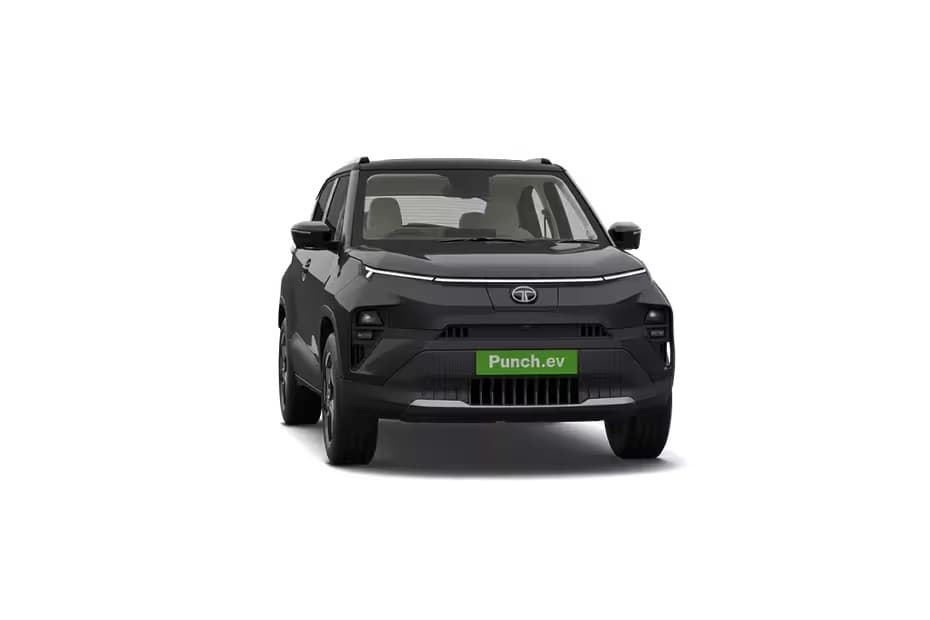
Tata Punch EV

Tata

Punch EV

₹9.7L - ₹14.3L

8.2AI Car Advisor Score

Electric

Subcompact SUV

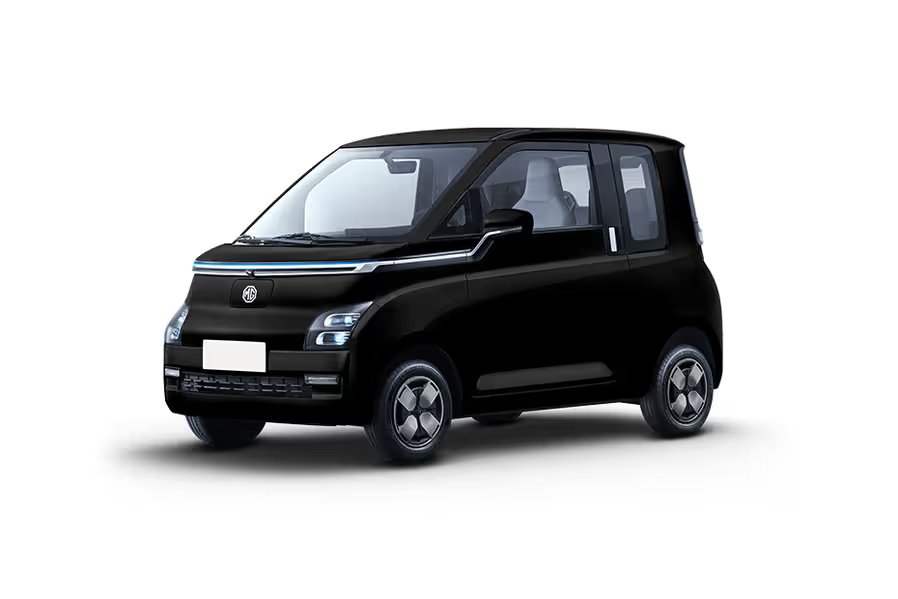
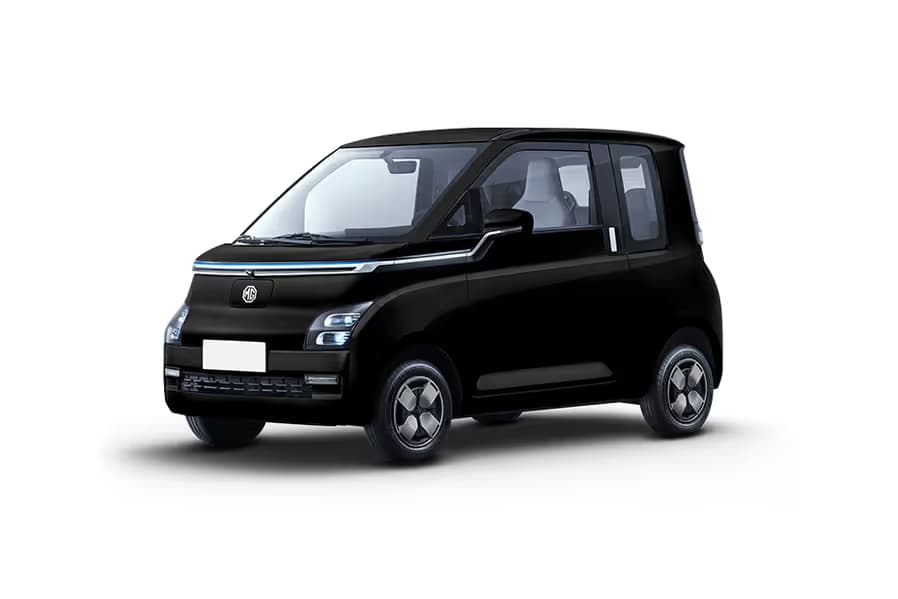
MG Comet EV

MG

Comet EV

₹7.5L - ₹9.6L

8.2AI Car Advisor Score

Electric

Hatchback

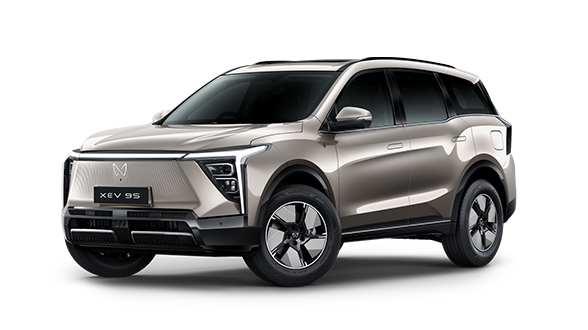
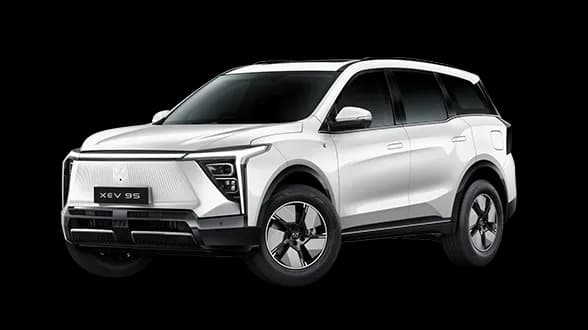
Mahindra XEV 9S

Mahindra

XEV 9S

₹19.9L - ₹29.4L

8.8AI Car Advisor Score

Electric

Mid-size SUV

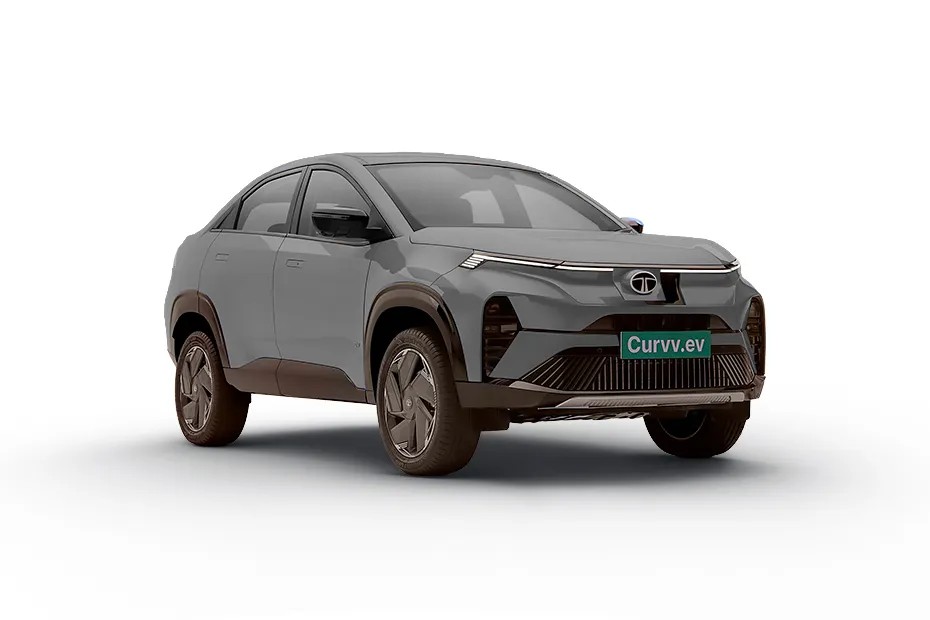
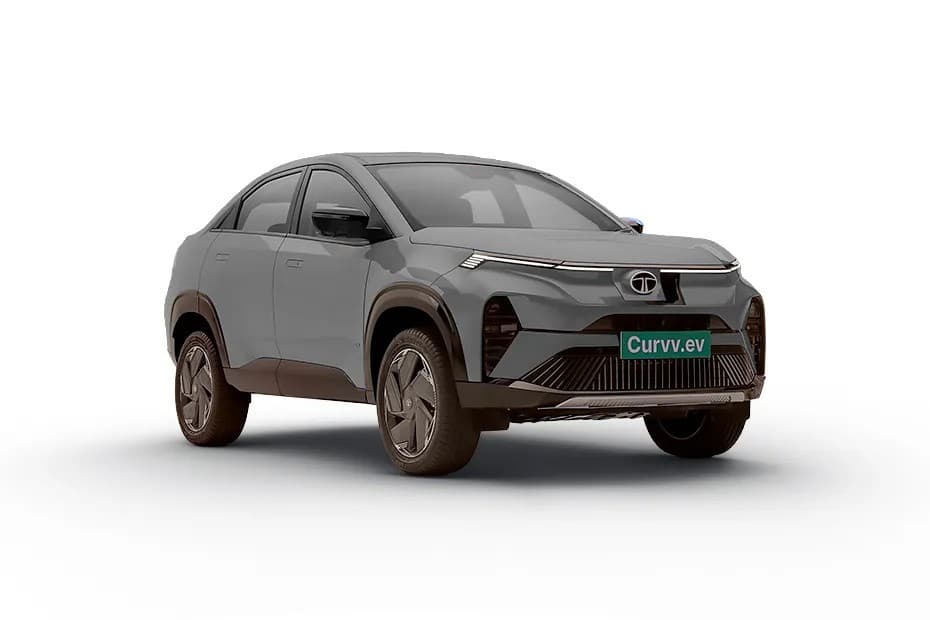
Tata Curvv EV

Tata

Curvv EV

₹17.5L - ₹22.2L

8.2AI Car Advisor Score

Electric

Coupe SUV

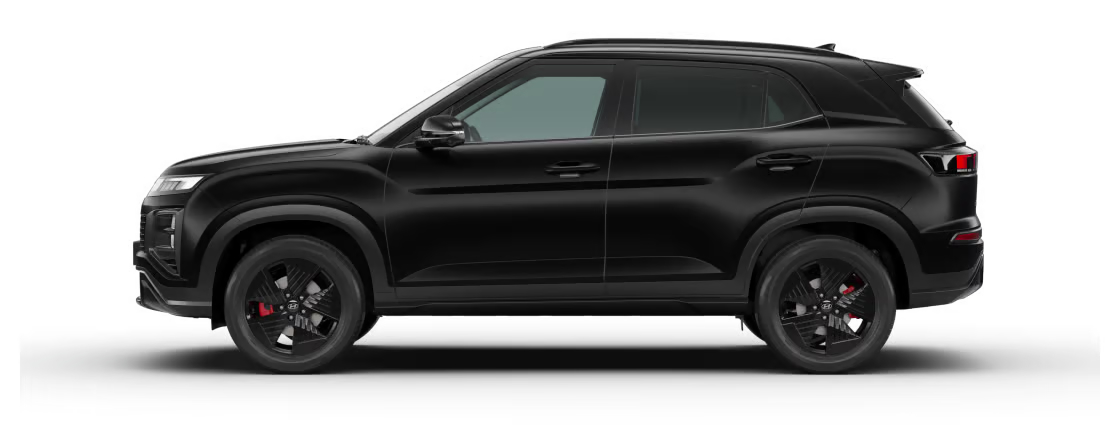
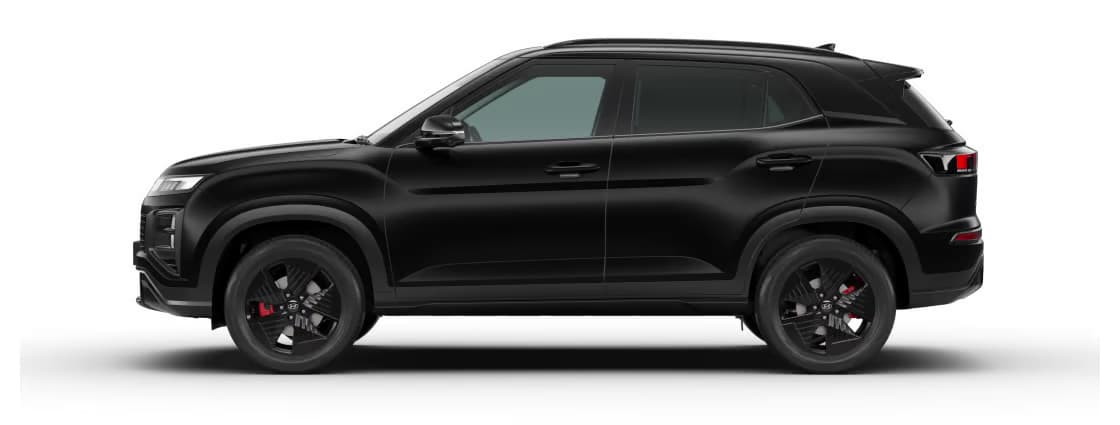
Hyundai Creta Electric

Hyundai

Creta Electric

₹18.0L - ₹24.7L

8.7AI Car Advisor Score

Electric

Compact SUV

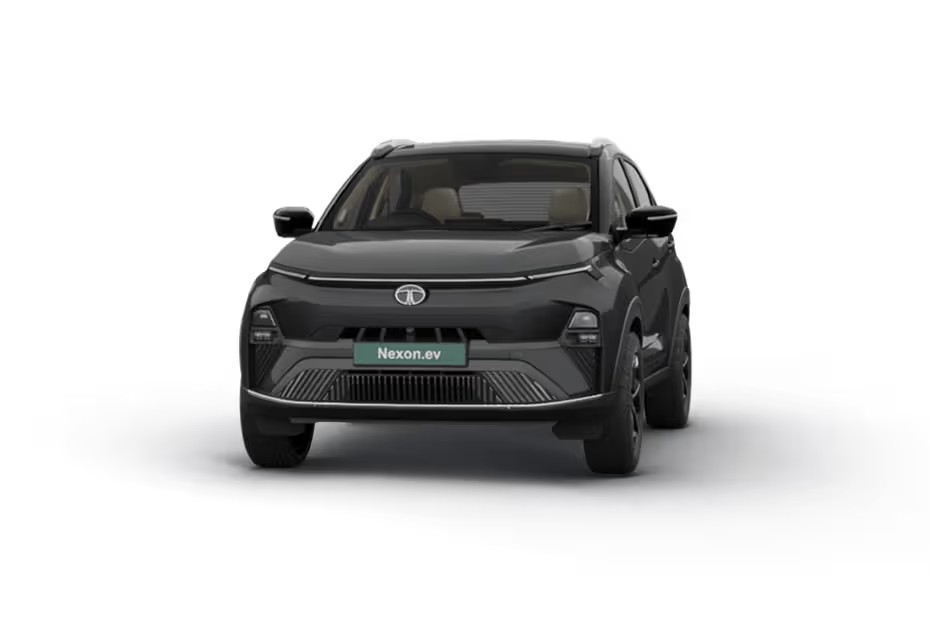
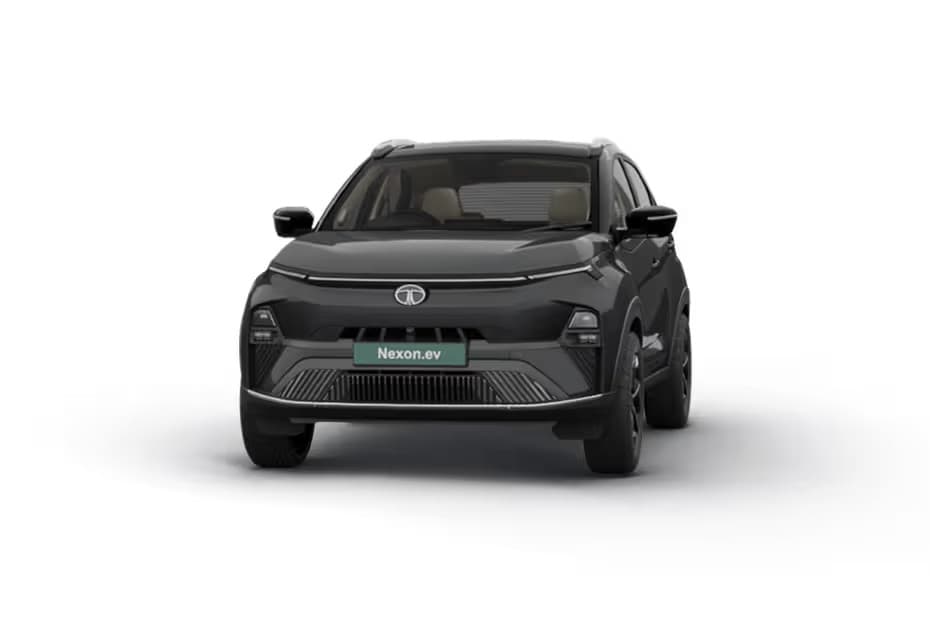
Tata Nexon EV

Tata

Nexon EV

₹12.5L - ₹17.5L

8.2AI Car Advisor Score

Electric

Subcompact SUV

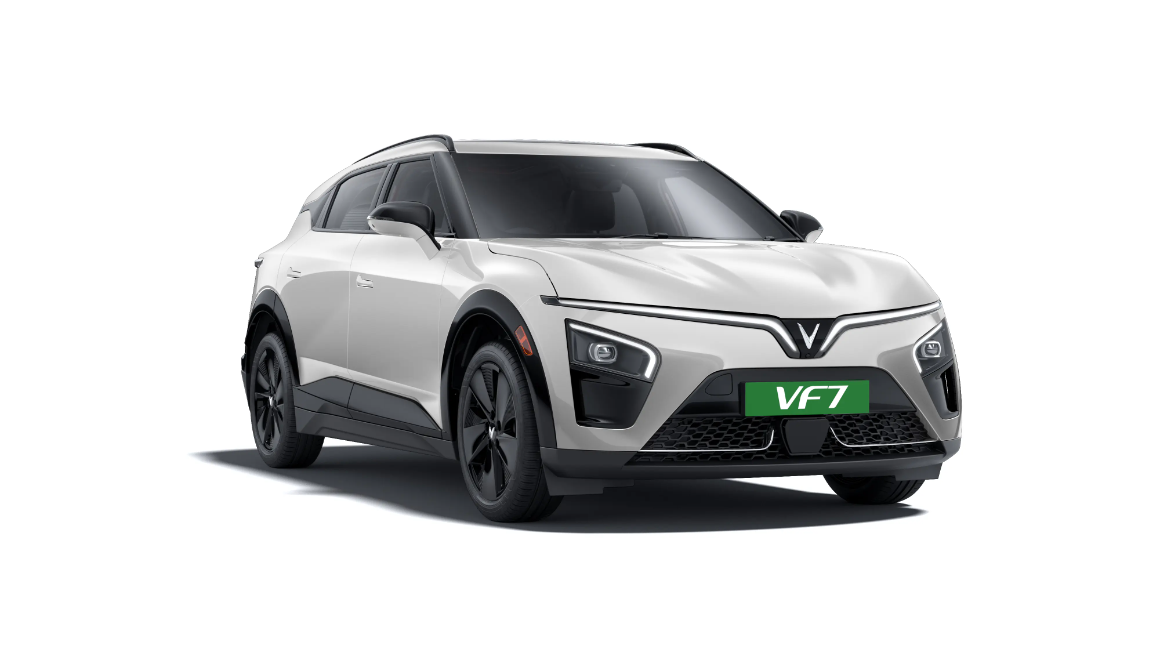
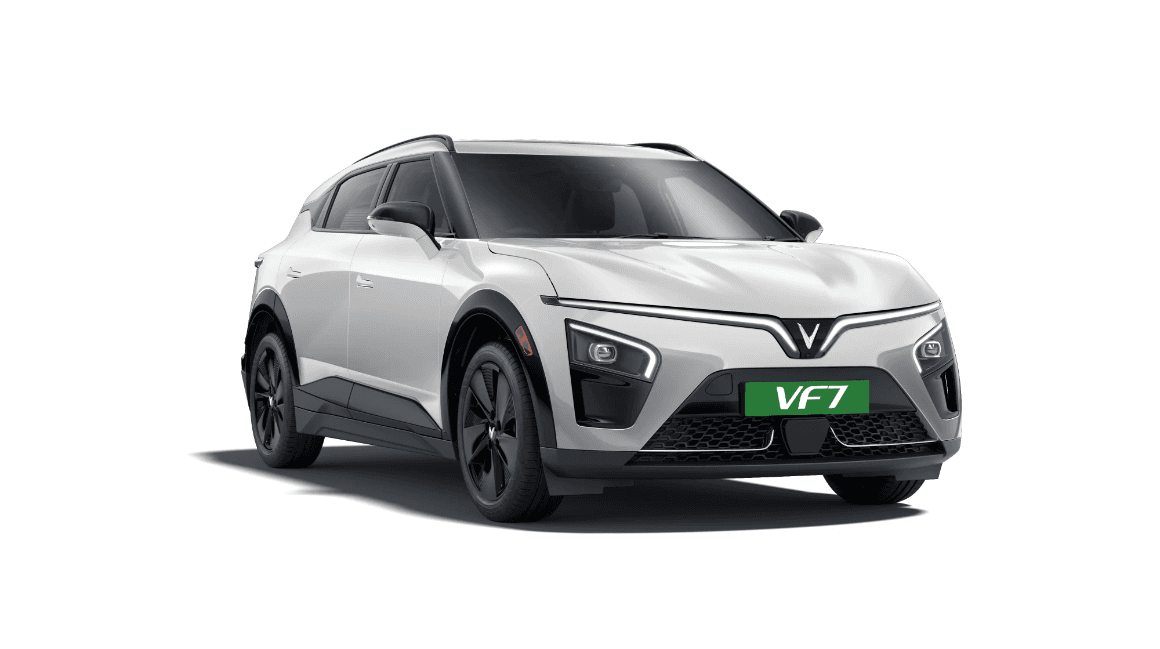
VinFast VF7

VinFast

VF7

₹21.9L - ₹26.8L

8.0AI Car Advisor Score

Electric

Mid-size SUV

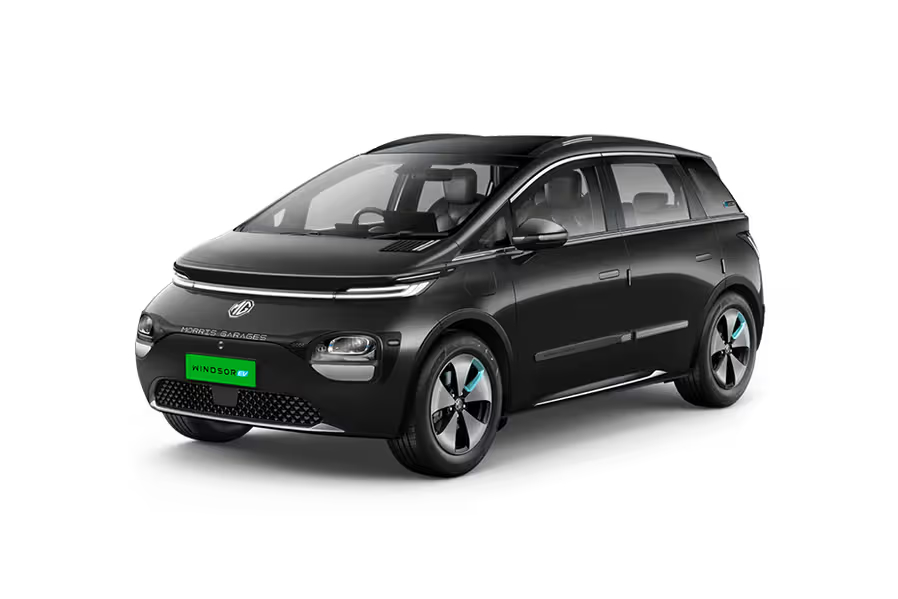
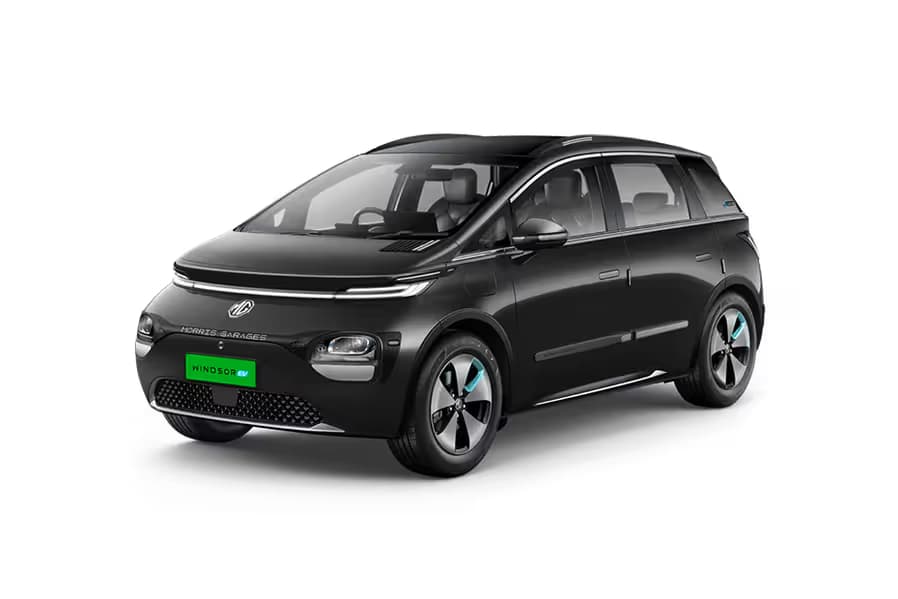
MG Windsor EV

MG

Windsor EV

₹14.0L - ₹18.5L

8.2AI Car Advisor Score

Electric

Hatchback

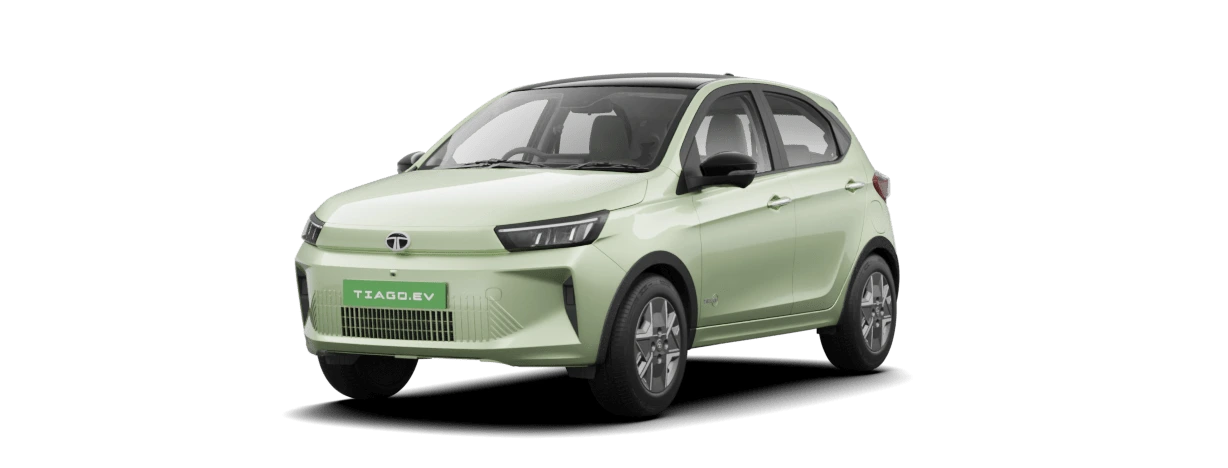
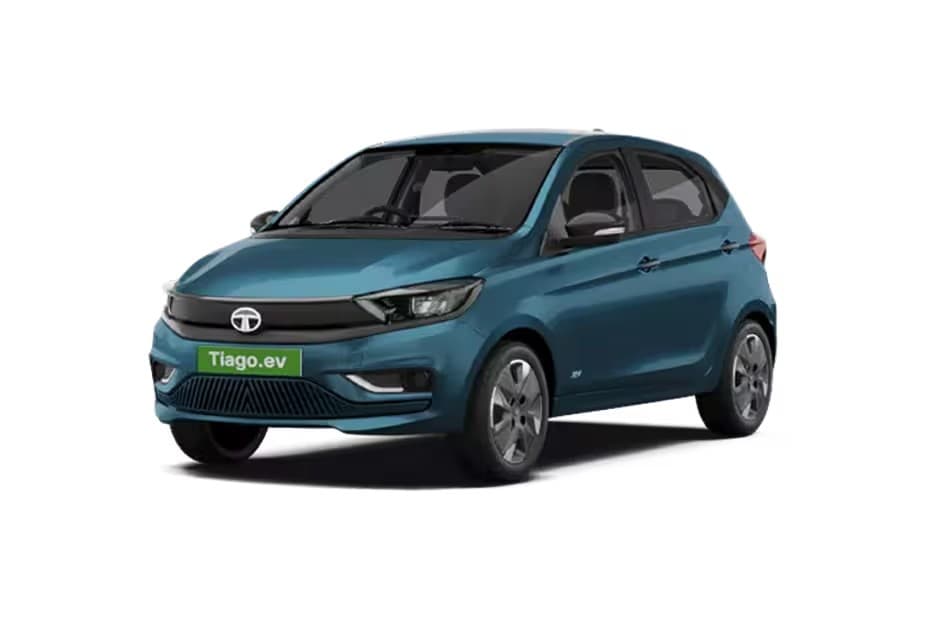
Tata Tiago EV

Tata

Tiago EV

₹8.0L - ₹11.1L

8.2AI Car Advisor Score

Electric

Hatchback

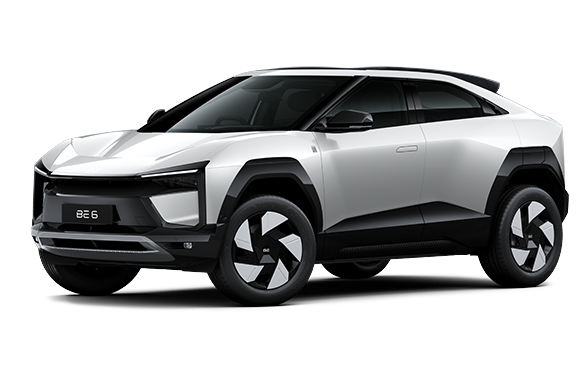
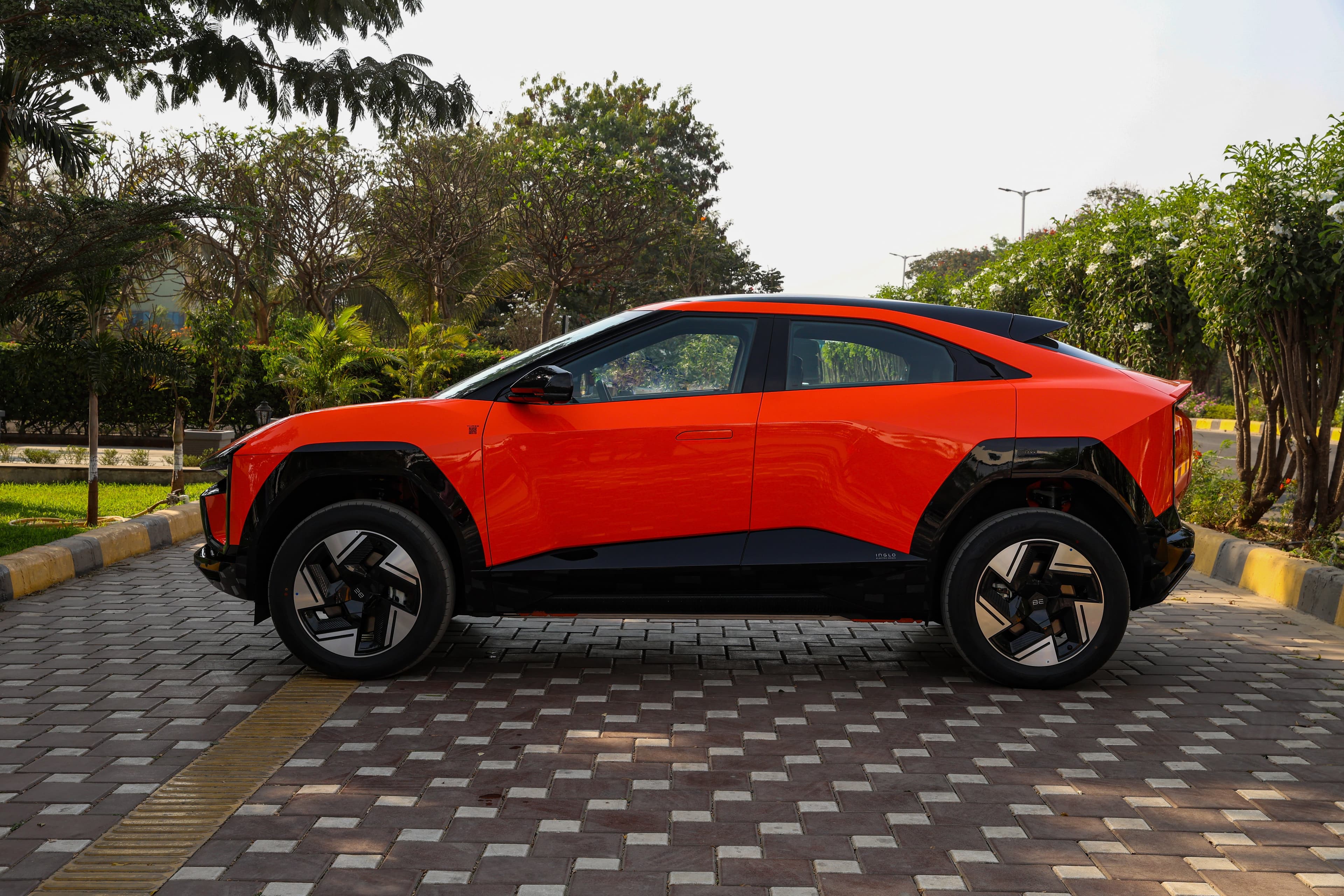
Mahindra BE 6

Mahindra

BE 6

₹18.9L - ₹28.5L

8.8AI Car Advisor Score

Electric

Coupe SUV

Cars by Brand

Upcoming Electric Cars in India 2026

Tata Sierra EV
Tata
Sierra EV

Starting from ₹15.00L*

10 Aug 2026Electric
Honda Elevate EV
Honda
Elevate EV

Starting from ₹18.00L*

15 Aug 2026Electric
Mahindra Thar E
Mahindra
Thar E

Starting from ₹25.00L*

15 Aug 2026Electric
Volvo EX90
Volvo
EX90

Starting from ₹1.20Cr*

15 Sept 2026Electric

View all upcoming cars

Compare Electric Cars

Make your own choice to compare the cars

Compare up to 3 cars side-by-side with detailed specifications, features, pricing, and AI-powered recommendations to find the perfect match for your needs.

Compare Cars Now
MG Comet EV Executive Hatchback Electric car front three-quarter view India 2026 price mileage safety specs side by side car comparison vs Tata Tiago EV AiCarAdvisor
MG

Comet EV

Executive

₹7.50L

VS
Tata Tiago EV XE MR Hatchback Electric car front three-quarter view India 2026 price mileage safety specs side by side car comparison vs MG Comet EV AiCarAdvisor
Tata

Tiago EV

XE MR

₹7.99L

Comet EV vs Tiago EV

Browse the Best Cars in India by Segment and Price Range

Top Car Brands

Popular Cars

Electric Cars (EV)

Best Cars by Budget

Top Cars by AI Score

Upcoming Cars

Expert Car Buying Guides & Auto Industry Updates

Why Electric Cars Are Becoming Mainstream in India in 2026

2026 is a major tipping point for EV adoption in India. Rising fuel prices, improving charging infrastructure, lower battery costs, and government incentives are making electric cars more practical for everyday buyers. Electric cars in India are no longer limited to metro cities — adoption is now expanding across Tier-2 cities, urban families, and highway-focused users.

The rapid expansion of public fast-charging networks is one of the biggest drivers behind this shift. Charging stations are now available across expressways, office complexes, malls, residential communities, and major highway corridors, making long-distance EV travel easier than before.

Modern EVs also offer dramatically lower running costs compared to petrol or diesel vehicles. Popular models like the Tata Nexon EV and MG ZS EV benefit from advances in lithium-ion battery technology, regenerative braking systems, and improved thermal efficiency. Many electric cars now deliver claimed driving ranges between 400–600 km on a full charge.

Affordable EV options below ₹15 lakh, longer battery warranties, and growing buyer confidence are helping electric mobility become mainstream in India.

For Indian buyers driving primarily inside cities, electric cars now offer the lowest running cost and the highest fuel savings of any passenger vehicle type.

Battery Electric Cars vs Hybrid Cars vs Petrol Cars — What's the Difference?

Understanding the difference between electric cars, hybrid cars, and petrol vehicles is important for buyers comparing EV vs hybrid India ownership costs, fuel efficiency, and long-term practicality. The right choice depends on your driving pattern, charging access, monthly running, and budget expectations. While electric cars focus on zero-emission driving and lower running costs, hybrids balance fuel efficiency with petrol convenience, and petrol cars continue to offer lower initial purchase prices.

Battery Electric Cars (BEVs) — Battery Electric Vehicles (BEVs) run entirely on electricity using a large rechargeable battery pack and electric motor — no petrol or diesel at all. BEVs require external charging through home chargers or public charging stations. Electric cars offer the lowest running cost, silent driving experience, instant acceleration, and zero tailpipe emissions. Modern EVs like the Tata Punch EV, Mahindra XEV 9e, and BYD Seal now provide practical range suitable for daily city driving and intercity travel.

Hybrid Cars — Hybrid cars combine a petrol engine with an electric motor and battery system. Unlike fully electric vehicles, hybrids do not require external charging — the battery charges automatically while driving. Strong hybrids are ideal for buyers who want traditional refuelling convenience alongside better fuel efficiency. They perform especially well in city traffic where electric assistance reduces fuel consumption.

Petrol Cars — Petrol cars remain the most affordable option in terms of initial purchase price and nationwide refuelling convenience. They are practical for buyers with irregular highway usage or limited charging access. However, in the EV vs petrol car India comparison, petrol vehicles carry the highest long-term fuel dependency and significantly higher running costs compared to electric cars and strong hybrids.

Electric Car Range in India — Claimed vs Real-World Driving Range

Electric car range in India is one of the most important factors buyers consider before purchasing an EV. The officially claimed IDC or ARAI range often differs from real-world driving range because certified testing conditions are more controlled than everyday Indian usage.

Real-world EV range depends on air conditioning usage, highway driving speeds, passenger load, driving style, road conditions, and outside temperature. Aggressive acceleration and sustained highway speeds reduce battery efficiency faster than city driving. Extreme summer heat and heavy cabin cooling also impact range performance.

In most cases, real-world EV range is approximately 15–25% lower than the officially claimed figure. However, modern EVs are becoming significantly more efficient, with several electric SUVs in India now delivering practical city range for both daily commuting and intercity travel.

  • Tata Nexon EV: Claimed 489 km — Real-world City 340–390 km, Highway 280–330 km
  • Tata Punch EV: Claimed 421 km — Real-world City 300–340 km, Highway 250–290 km
  • MG ZS EV: Claimed 461 km — Real-world City 340–380 km, Highway 300–340 km
  • Mahindra XEV 9e: Claimed 500+ km — Real-world City 400–450 km, Highway 340–390 km
  • BYD Seal: Claimed 650 km — Real-world City 500–580 km, Highway 420–500 km
  • Hyundai Ioniq 5: Claimed 631 km — Real-world City 480–550 km, Highway 400–480 km

For most Indian city buyers, an EV with 300–400 km real-world range is already more than sufficient for daily usage.

How Much Does It Cost to Charge an Electric Car in India?

EV charging cost in India is one of the biggest reasons electric cars are becoming more practical for everyday buyers. Actual cost depends on whether you charge at home or rely on public fast chargers.

Home Charging — Most EV owners charge at home using standard AC wall chargers. Residential electricity tariffs vary across states, but electric car running cost typically stays around ₹1–1.5 per km. For example, fully charging the Tata Nexon EV at home costs approximately ₹350–₹500 depending on local electricity rates and battery size.

Public Fast Charging — DC fast chargers cost more than home charging but offer quick top-ups during highway trips and long-distance travel. Most public fast chargers currently cost around ₹18–₹30/kWh depending on charging speed, network provider, and location. Fast-charging infrastructure is expanding rapidly across highways, malls, hotels, office parks, and urban centres.

Long-Term Savings — For buyers driving around 1,500 km every month, electric cars can save approximately ₹70,000–₹1 lakh annually compared to similarly sized petrol SUVs. EVs also benefit from lower maintenance costs due to fewer moving mechanical components.

  • Electric Car: ₹0.8–1.5/km estimated running cost
  • Strong Hybrid: ₹2–2.5/km
  • Diesel: ₹4.5–5.5/km
  • Petrol: ₹6–8/km

For urban buyers with home charging access, electric cars currently offer the cheapest running cost of any mainstream vehicle category in India.

Best Electric Cars Under ₹15 Lakh, ₹25 Lakh & Luxury EV Segments

Electric Cars Under ₹15 Lakh — Affordable Urban EVs: Affordable EVs in India are becoming increasingly practical for daily city usage and first-time buyers. Models like the Tata Tiago EV, Tata Punch EV, and MG Comet EV are well suited for office commuting, short urban trips, and low running-cost ownership. Their compact size, easy drivability, and lower charging expenses make them ideal for crowded city environments.

Electric Cars ₹15–40 Lakh — Mainstream Premium EVs: This is the most competitive part of India's EV market. Vehicles like the Tata Nexon EV, Mahindra XUV400 EV, MG ZS EV, Mahindra BE 6, and Mahindra XEV 9e offer a strong balance of range, practicality, features, and performance — well suited for families, long-distance urban users, and buyers replacing diesel SUVs.

Luxury Electric Cars Above ₹40 Lakh — Performance & Technology: Luxury electric cars in India focus on premium comfort, ultra-fast charging, advanced connected technology, and high-performance driving. Models such as the Hyundai Ioniq 5, Kia EV6, BMW i7, Mercedes-Benz EQS, and Lotus Eletre deliver premium interiors, rapid charging speeds, and a refined performance EV experience.

How EV Ownership Differs from Petrol & Hybrid Cars

The EV vs petrol vs hybrid India decision depends entirely on your daily driving needs, charging access, fuel budget, and long-term ownership expectations. Buyers with predictable city driving and home charging access benefit most from electric cars because of significantly lower running costs. Strong hybrid vehicles suit mixed driving conditions where buyers want improved fuel efficiency without depending on charging infrastructure.

Petrol cars remain practical for budget-focused buyers with lower monthly running or frequent remote highway travel. Before deciding, evaluate your monthly fuel expenses, average driving distance, charging convenience, long-distance travel frequency, and upfront budget. The right choice is less about trends and more about what matches your real-world usage.

  • Starting Price: Electric ₹7 Lakh | Strong Hybrid ₹16 Lakh | Petrol ₹6 Lakh
  • Running Cost/km: Electric ₹0.8–1.5 | Strong Hybrid ₹2–2.5 | Petrol ₹6–8
  • Charging Needed: Electric Yes | Strong Hybrid No | Petrol No
  • City Efficiency: Electric Excellent | Strong Hybrid Excellent | Petrol Moderate
  • Highway Convenience: Electric Charging dependent | Strong Hybrid Excellent | Petrol Excellent
  • Maintenance Cost: Electric Low | Strong Hybrid Medium | Petrol Medium
  • 5-Year Fuel Saving: Electric ₹4–6 Lakh | Strong Hybrid ₹2–3 Lakh | Petrol Baseline
  • Best For: Electric Urban commuters | Strong Hybrid Mixed driving | Petrol Budget buyers

Should You Buy an Electric Car in 2026?

Whether an electric car is worth buying in India depends largely on your daily driving pattern, charging access, fuel expenses, and lifestyle requirements. EV ownership works extremely well for some buyers, while others may still find hybrid or petrol vehicles more practical.

  • Buy an Electric Car If: You have mostly urban, predictable daily city driving; you have access to home or office charging; you spend more than ₹5,000 monthly on petrol or diesel; you want lower maintenance due to fewer moving mechanical parts.
  • Many first-time EV owners also notice that daily city driving becomes noticeably smoother and less tiring because electric cars deliver instant acceleration, quieter cabins, and seamless stop-go traffic behaviour.
  • Consider Alternatives If: You have no reliable charging access at home or office; you frequently travel to remote highway locations with limited charging infrastructure; you live in an apartment without dedicated parking or charging setup; your monthly driving is very low — the higher purchase cost takes longer to recover.

For Indian city buyers with reliable charging access, electric cars are now the most economical and future-ready vehicle choice in 2026.

Upcoming Electric Cars in India in 2026 — Expected Launches & New EVs

Upcoming electric cars in India are expected to accelerate EV adoption further in 2026 as both Indian and global OEMs continue investing heavily in electric mobility. The compact electric SUV segment is likely to remain the biggest growth area, particularly in the ₹15–30 lakh price bracket where buyer demand is increasing rapidly.

Manufacturers like Tata Motors and Mahindra & Mahindra are expected to expand their born-electric SUV portfolios aggressively, while Hyundai Motor Company, Kia, and Maruti Suzuki are preparing multiple mass-market EV launches aimed at improving affordability and accessibility.

At the premium end, brands like BMW, Mercedes-Benz, Audi, and Volvo Cars are continuing to expand their luxury EV portfolios with new electric sedans, SUVs, and high-performance EVs.

Battery localisation efforts, government-backed EV manufacturing incentives, and rapid charging infrastructure growth are also expected to reduce ownership barriers. Buyers can expect several new electric SUVs and family EVs launching below ₹20 lakh and ₹30 lakh in the near term.

The Complete Electric Car Buying Guide for Indian Roads in 2026

Range Requirement — Focus on realistic daily driving needs rather than maximum claimed range. For most urban users in India, a real-world range of 300–400 km is already more than sufficient for daily commuting and occasional intercity travel.

Charging Access — Home charging is the single biggest ownership advantage for electric car buyers. Overnight charging makes EV ownership far more practical and reduces dependency on public stations during everyday use.

Running Cost — Electric vehicles currently offer the lowest cost-per-kilometre among all mainstream vehicle types in India. Buyers with higher monthly running recover the initial purchase premium much faster through fuel savings and reduced maintenance costs.

Battery Warranty — Always prioritise EVs offering 8-year battery warranty coverage. Longer battery protection improves ownership confidence and reduces concerns about long-term replacement costs.

Resale & Software Ecosystem — Modern EV ownership increasingly depends on OTA software updates, connected technology features, charging ecosystem support, and future resale value. Evaluate how seriously a manufacturer is investing in its long-term EV ecosystem before purchasing.

Compare electric cars side by side, check charging compatibility, and explore all variants using the tools above.

Frequently Asked Questions About Electric Cars in India

Which are the best electric cars in India in 2026?

Tata Nexon EV, Tata Punch EV, Mahindra XEV 9e, MG ZS EV, and BYD Seal are among the best electric cars available in India in 2026.

Which electric car gives the best range in India?

The BYD Seal and Hyundai Ioniq 5 currently deliver some of the best range figures in India, with claimed range exceeding 600 km.

Are electric cars worth buying in India?

Yes, electric cars are worth buying for buyers looking for lower running costs, quieter driving experience, and major fuel savings during daily city usage.

How much does it cost to charge an electric car in India?

Most electric cars cost around ₹1–1.5 per km to run when charged at home, depending on battery size and local electricity tariffs.

Do electric cars need servicing?

Yes, electric cars require servicing, but maintenance costs are significantly lower because EVs have fewer moving parts and no engine oil changes.

Which is the cheapest electric car in India?

The MG Comet EV and Tata Tiago EV are currently among the most affordable electric cars in India.

How long do EV batteries last in India?

Most EV batteries last around 8–10 years under normal usage. Many manufacturers also provide battery warranties of up to 8 years.

Can electric cars be used for long-distance travel in India?

Yes, modern electric cars with larger battery packs can comfortably handle highway travel, especially with India's fast-charging infrastructure expanding rapidly.

Are electric cars cheaper to run than petrol cars?

Yes, electric cars are significantly cheaper to run because EV charging costs are much lower than petrol fuel expenses.

What are the upcoming electric cars in India in 2026?

Several upcoming electric cars are expected from Tata Motors, Mahindra & Mahindra, Maruti Suzuki, Hyundai Motor Company, and Kia during 2026.