Hybrid Cars in India 2026

Hybrid Cars in India 2026

Hybrid cars in India are available across multiple segments in 2026, with prices ranging from ₹16 Lakh to ₹3.83 Crore across SUV, MPV, sedan, and luxury vehicle categories. Some of the best hybrid cars in India include the Maruti Grand Vitara, Toyota Urban Cruiser Hyryder, Toyota Innova Hycross, Toyota Camry, and Maruti Invicto. Buyers looking for premium hybrid luxury vehicles can also choose models like the BMW M5, Mercedes-Benz C-Class, BMW X7, Land Rover Range Rover, and Toyota Vellfire. Modern self-charging hybrid cars combine petrol convenience with improved fuel efficiency, smoother city driving, and lower running costs without requiring external charging infrastructure. From practical family hybrids to premium luxury SUVs and sedans, hybrid cars in India now cover a wide range of budgets and driving needs. Use the filters below to find your ideal hybrid car.

Top Hybrid Cars Price List 2026 in India

India's hybrid car market now covers everything from affordable strong hybrid SUVs to ultra-luxury mild-hybrid performance vehicles. Here's the complete hybrid car price list in India for 2026, sorted by ex-showroom price.

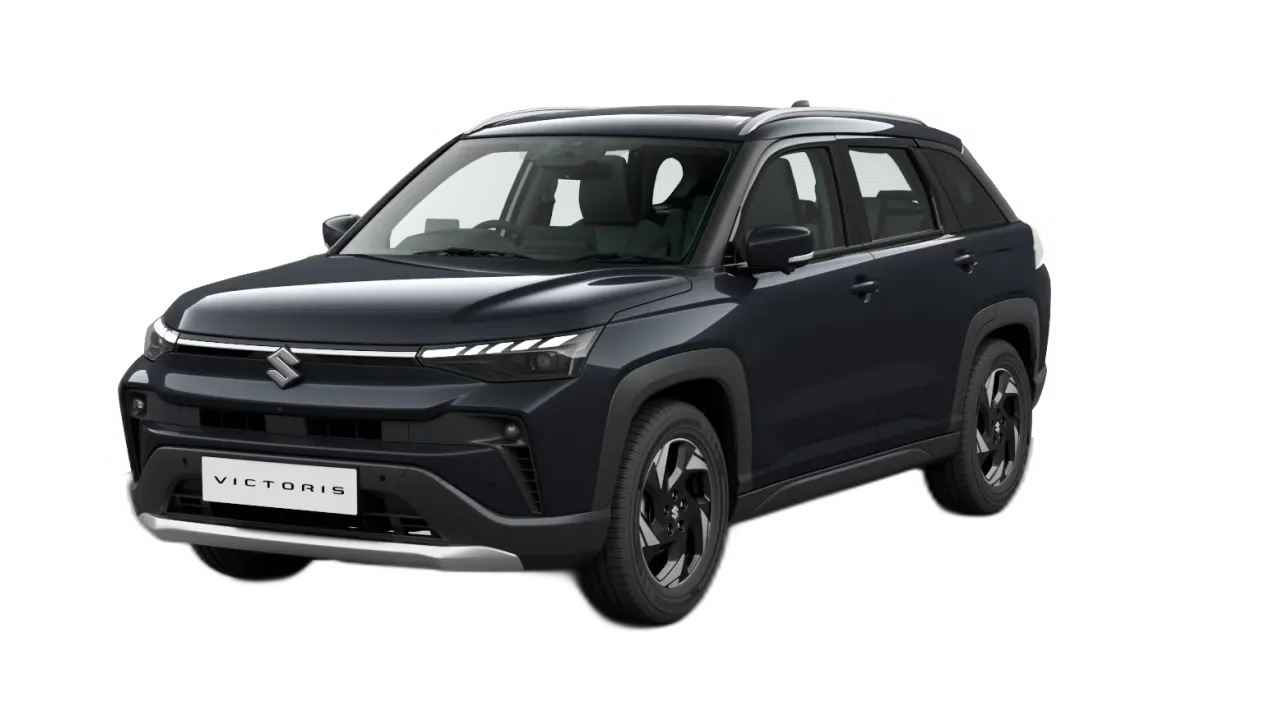
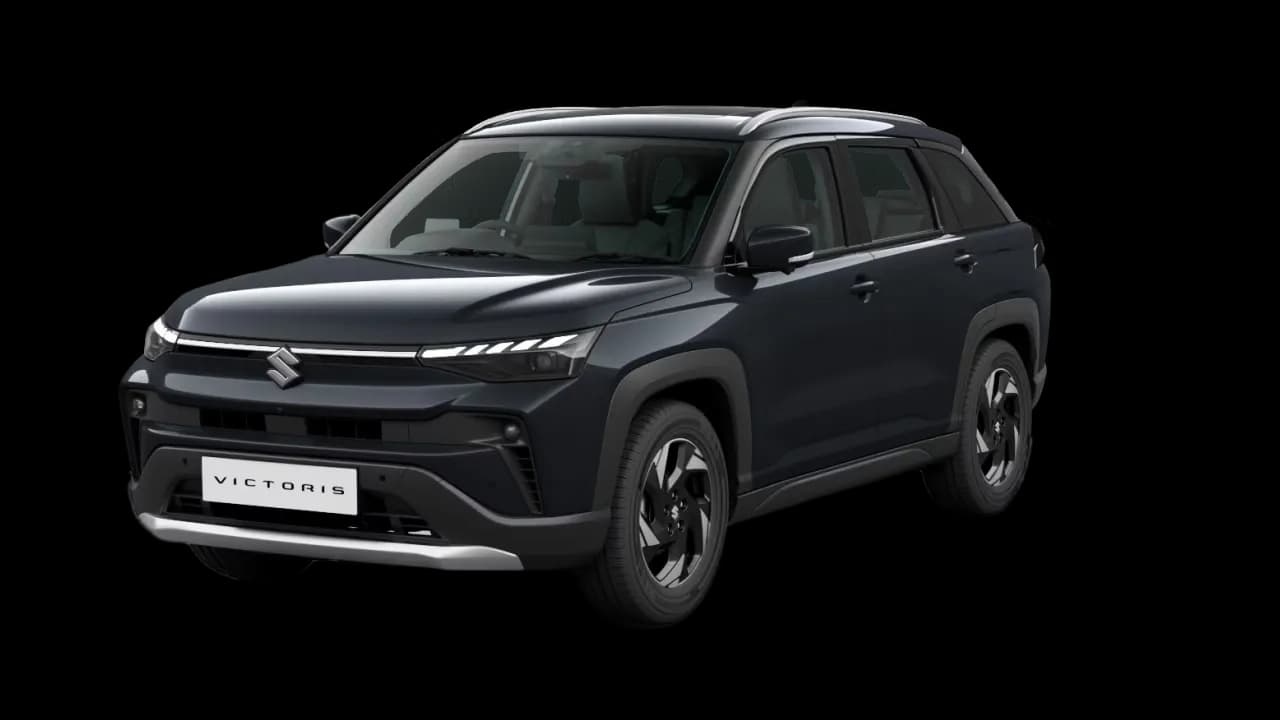
Maruti Suzuki Victoris

Maruti Suzuki

Victoris

₹11.50L - ₹19.99L

8.5AI Car Advisor Score

CNG

Mid-size SUV

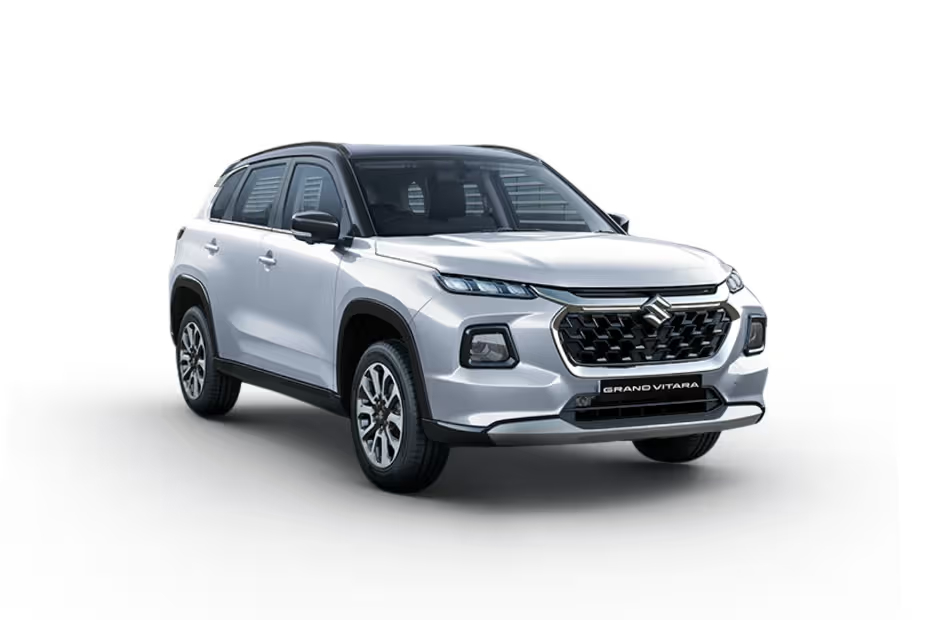
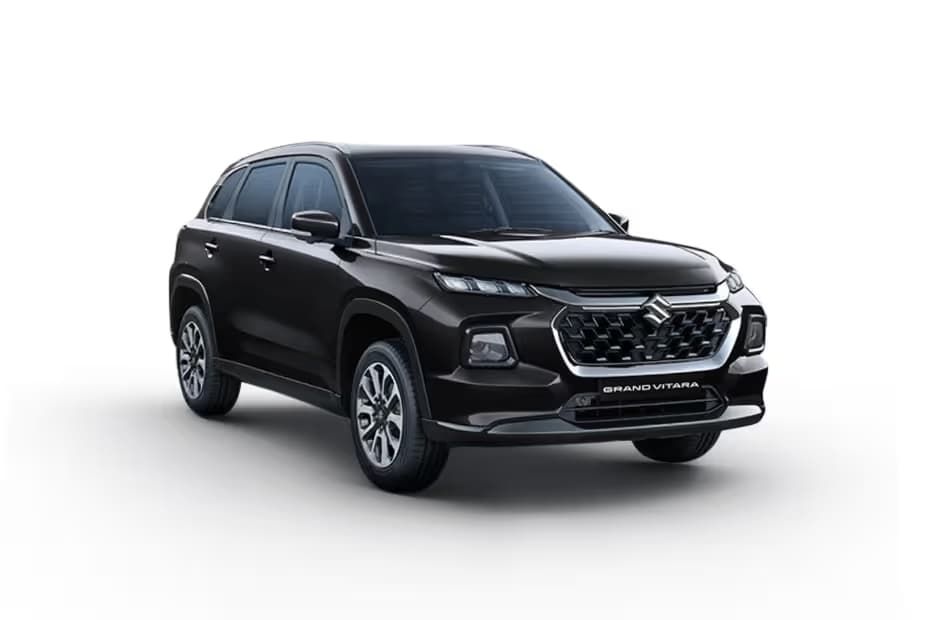
Maruti Suzuki Grand Vitara

Maruti Suzuki

Grand Vitara

₹11.42L - ₹20.68L

8.5AI Car Advisor Score

Petrol

Mid-size SUV

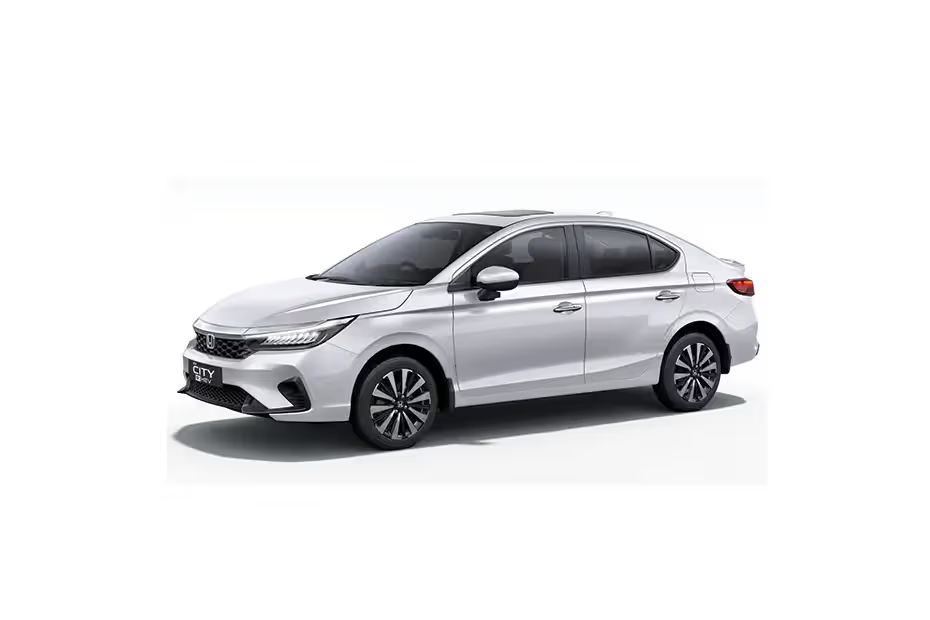
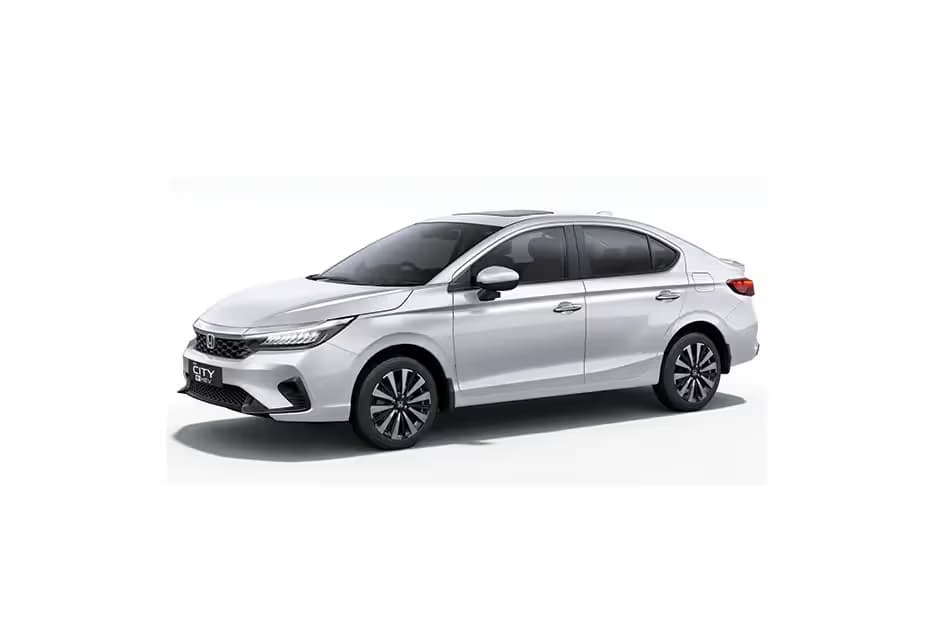
Honda City Hybrid

Honda

City Hybrid

₹19.00L - ₹19.90L

8.7AI Car Advisor Score

Petrol

Mid-size Sedan

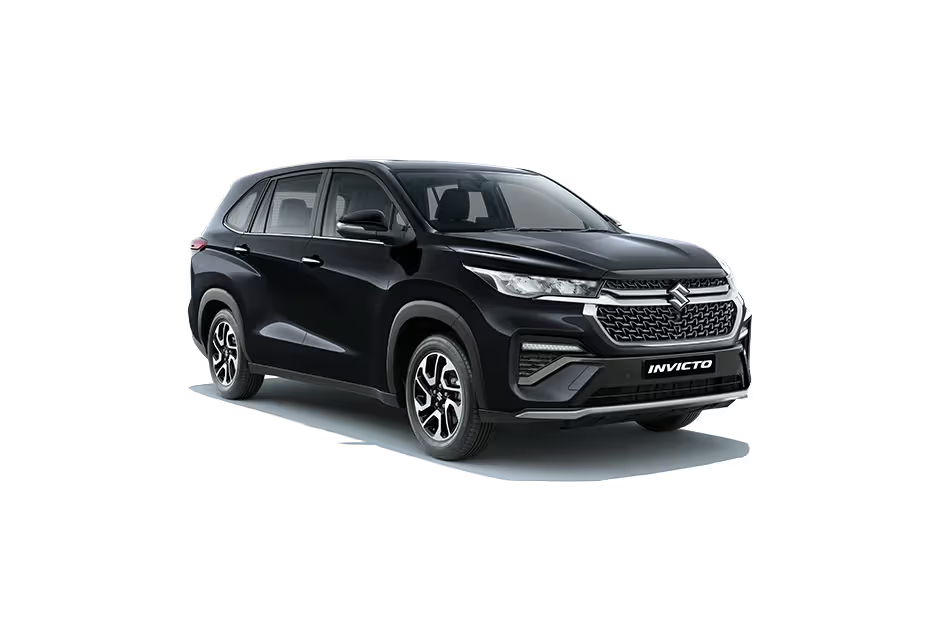
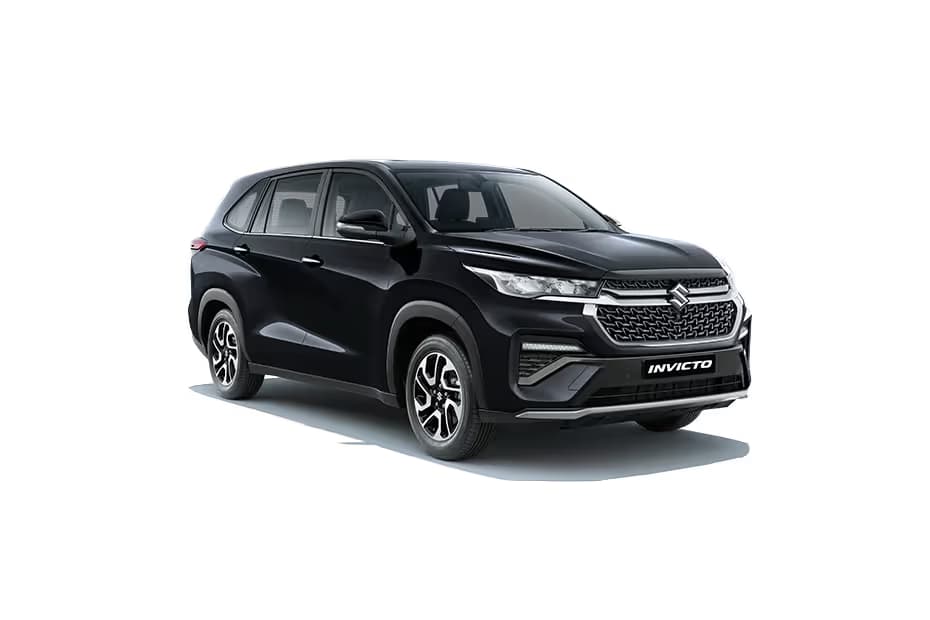
Maruti Suzuki Invicto

Maruti Suzuki

Invicto

₹24.97L - ₹28.61L

8.5AI Car Advisor Score

Petrol

Mid-size SUV

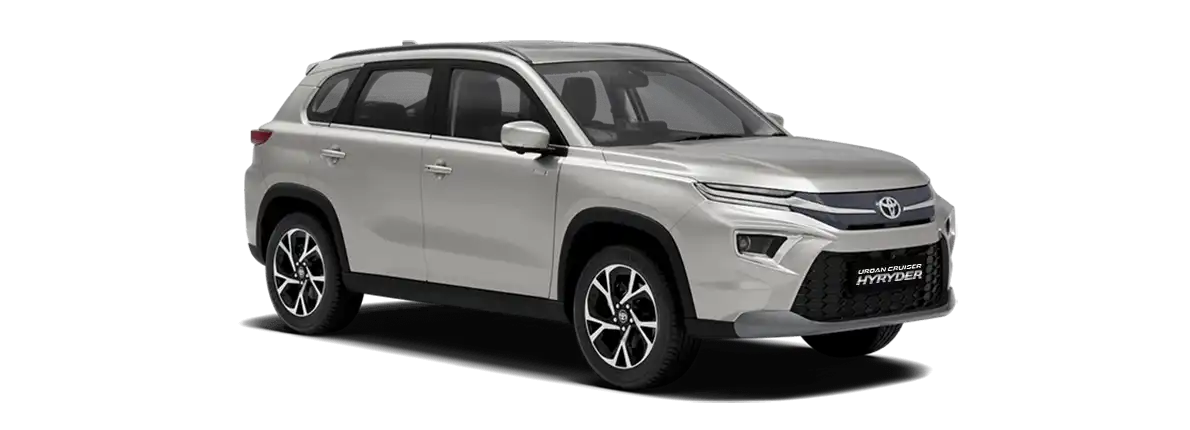
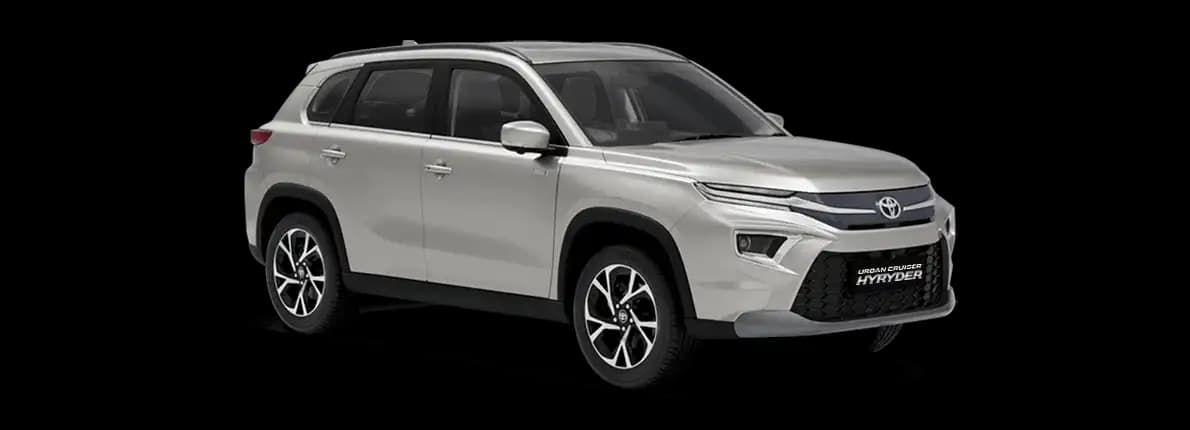
Toyota Hyryder

Toyota

Hyryder

₹11.31L - ₹20.19L

8.9AI Car Advisor Score

Petrol

Compact SUV

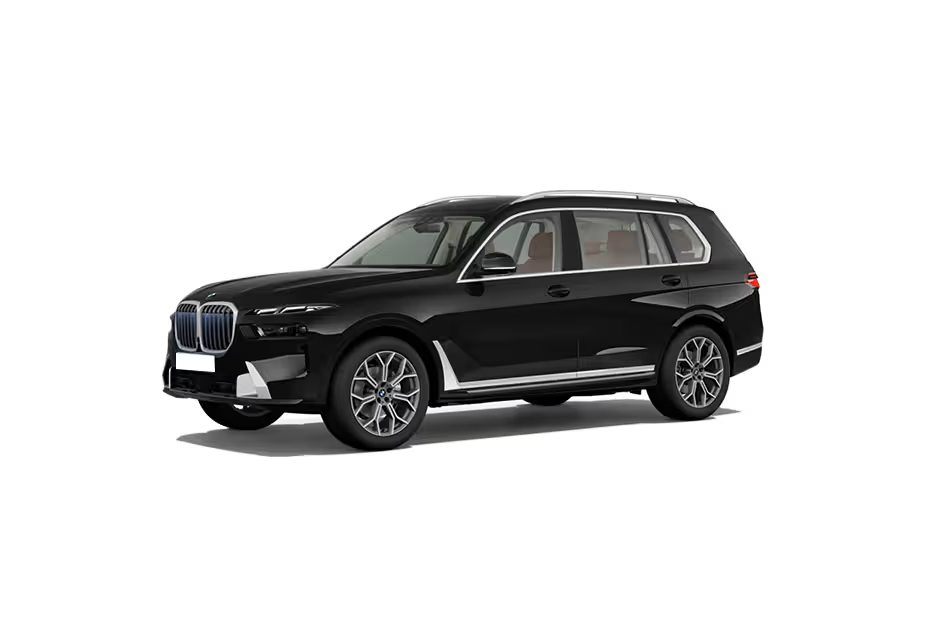
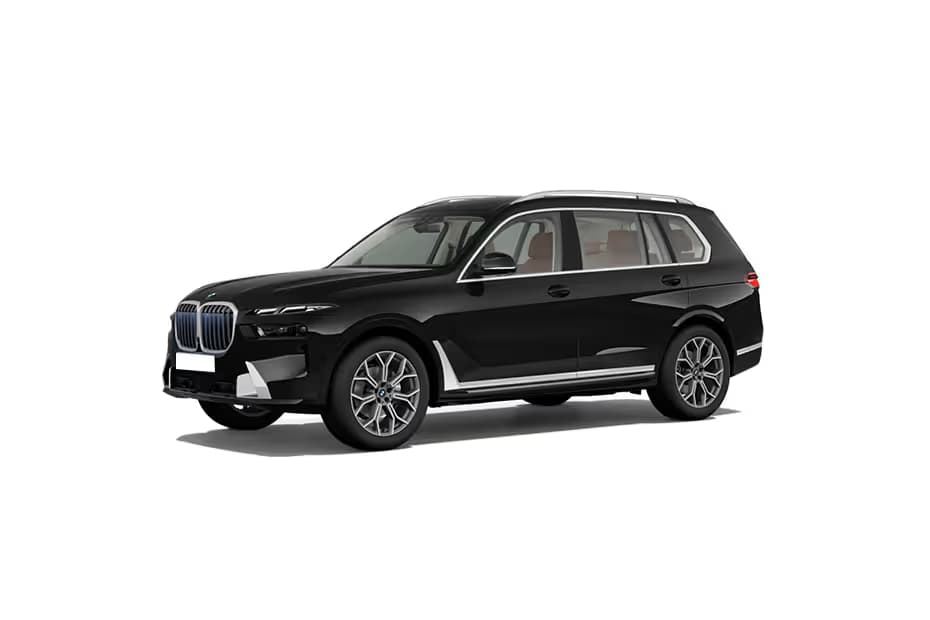
BMW X7

BMW

X7

₹1.25Cr - ₹1.29Cr

9.6AI Car Advisor Score

Diesel

Full-size SUV

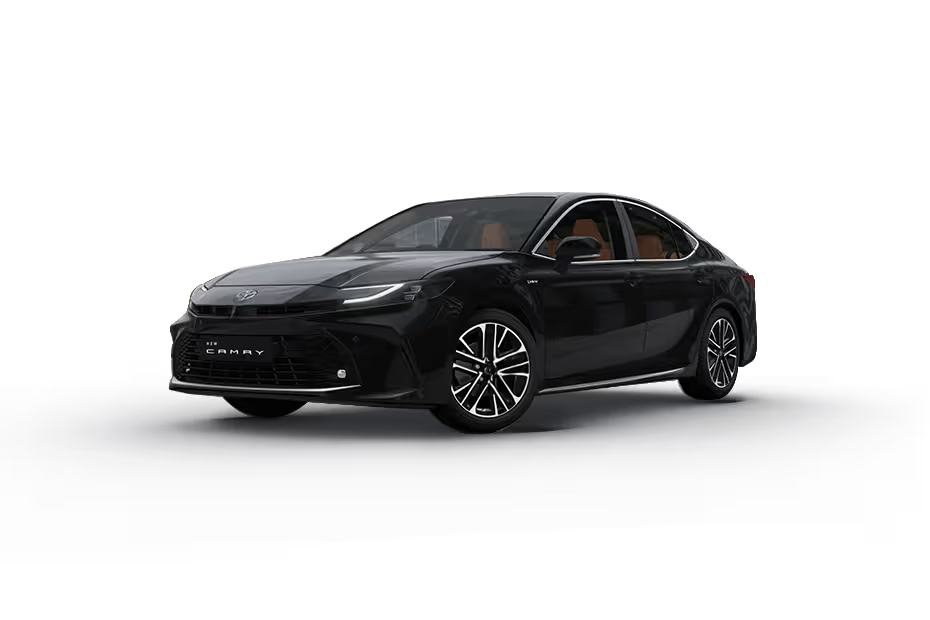
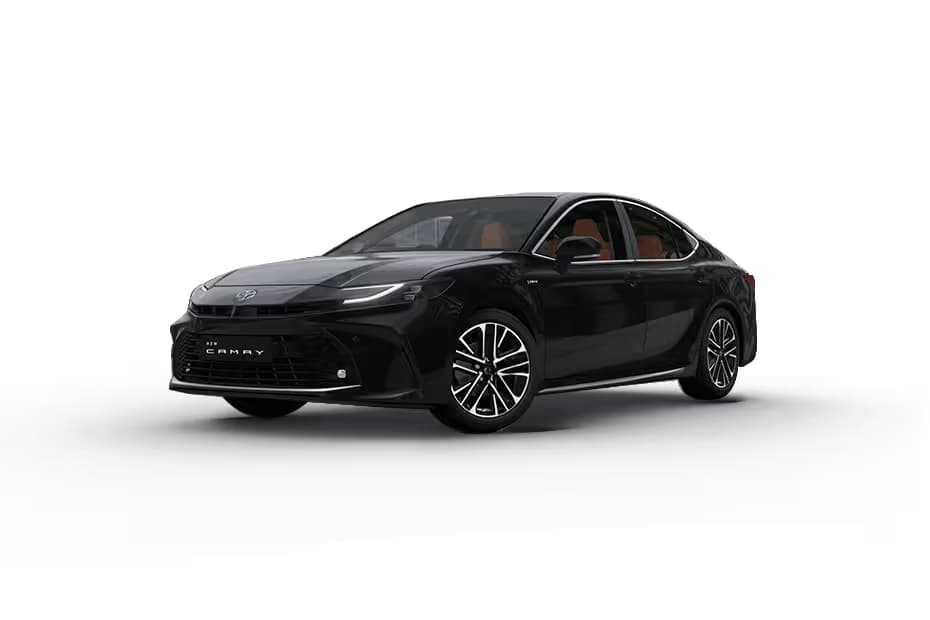
Toyota Camry

Toyota

Camry

₹47.48L - ₹47.48L

8.9AI Car Advisor Score

Petrol

Full-size Sedan

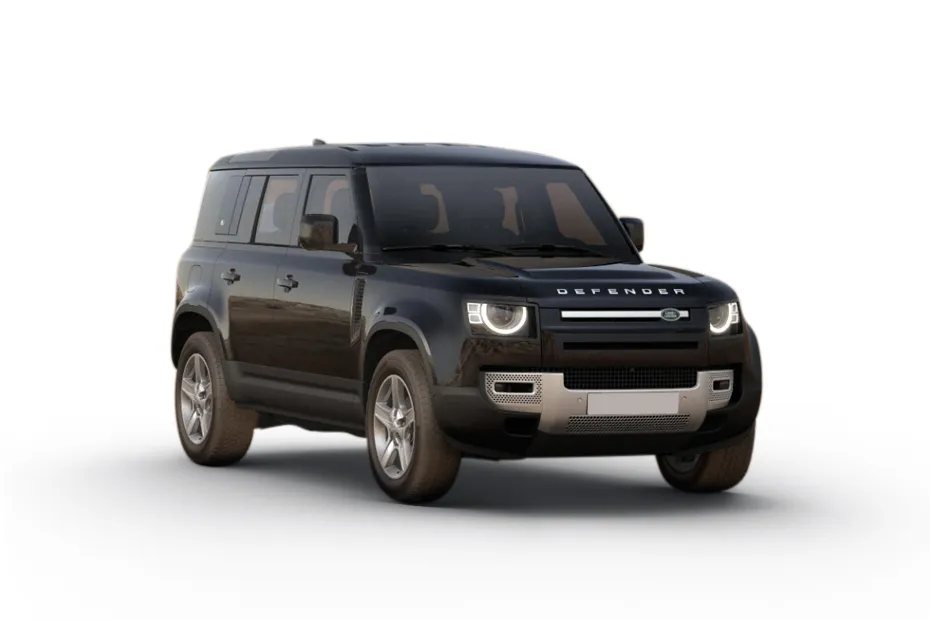
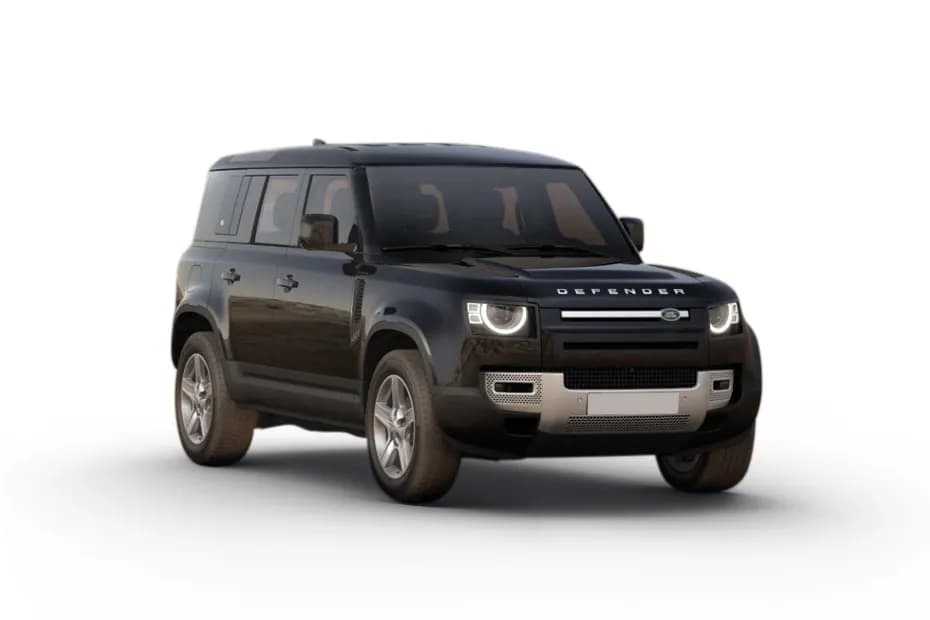
Land Rover Defender

Land Rover

Defender

₹98.00L - ₹2.60Cr

9.4AI Car Advisor Score

Petrol

Luxury SUV

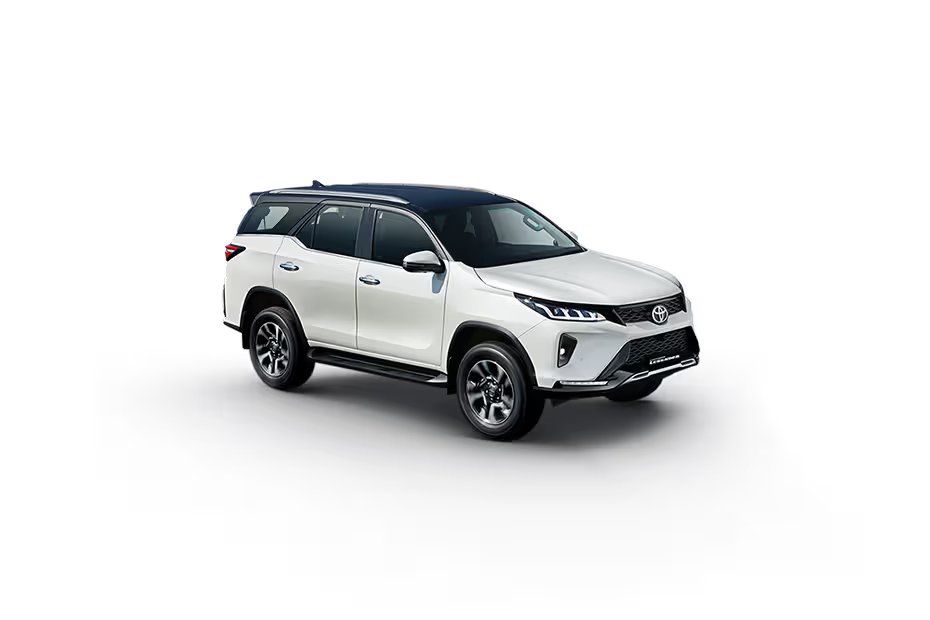
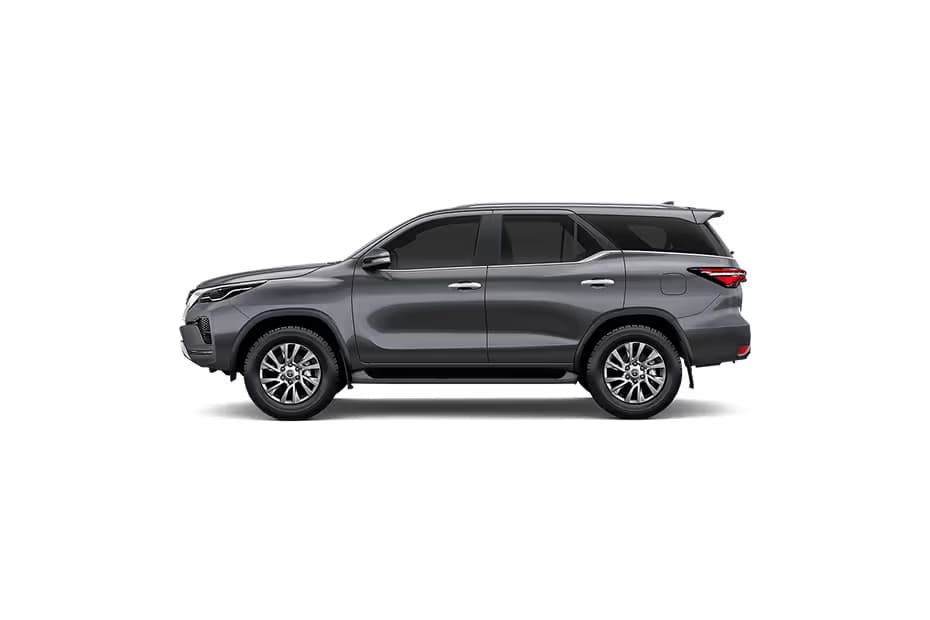
Toyota Fortuner Legender

Toyota

Fortuner Legender

₹42.92L - ₹50.09L

8.9AI Car Advisor Score

Diesel

Full-size SUV

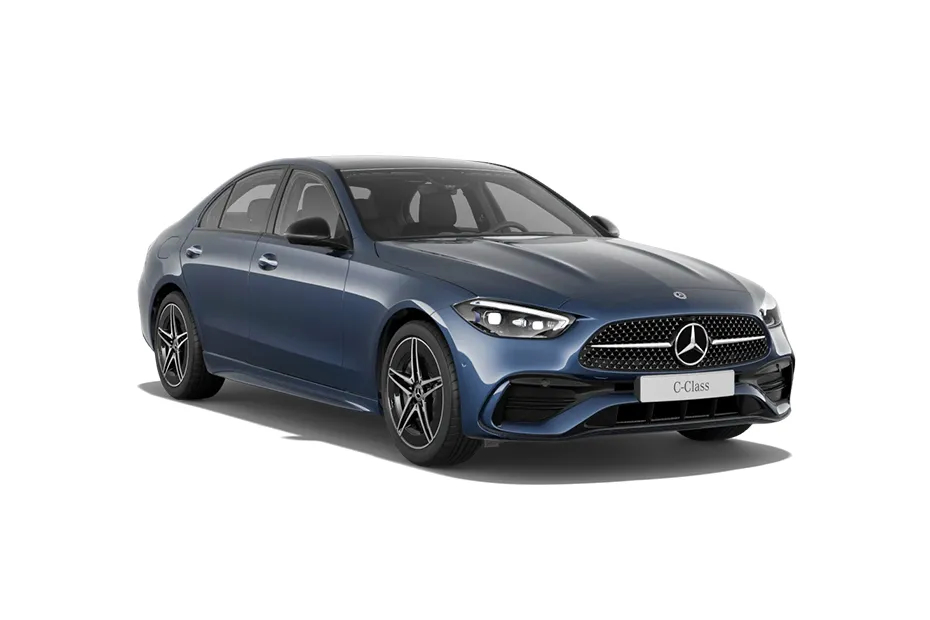
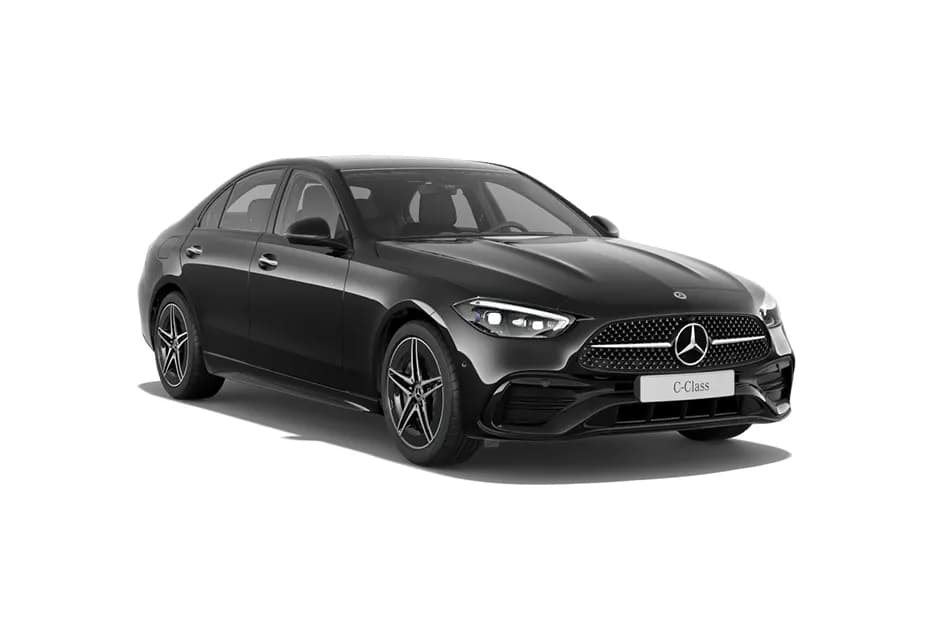
Mercedes-Benz C-Class

Mercedes-Benz

C-Class

₹59.90L - ₹65.60L

9.7AI Car Advisor Score

Diesel

Compact Sedan

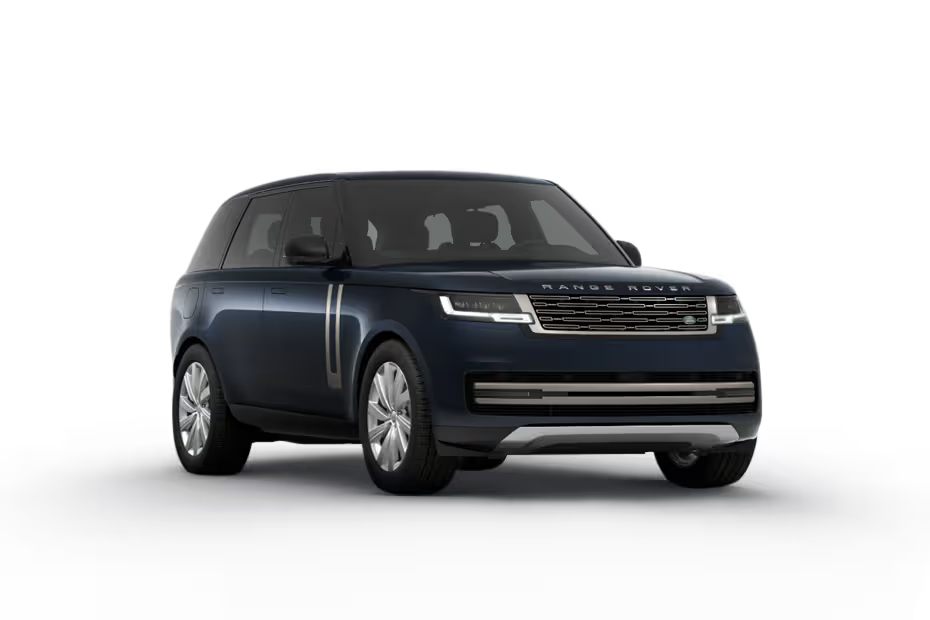
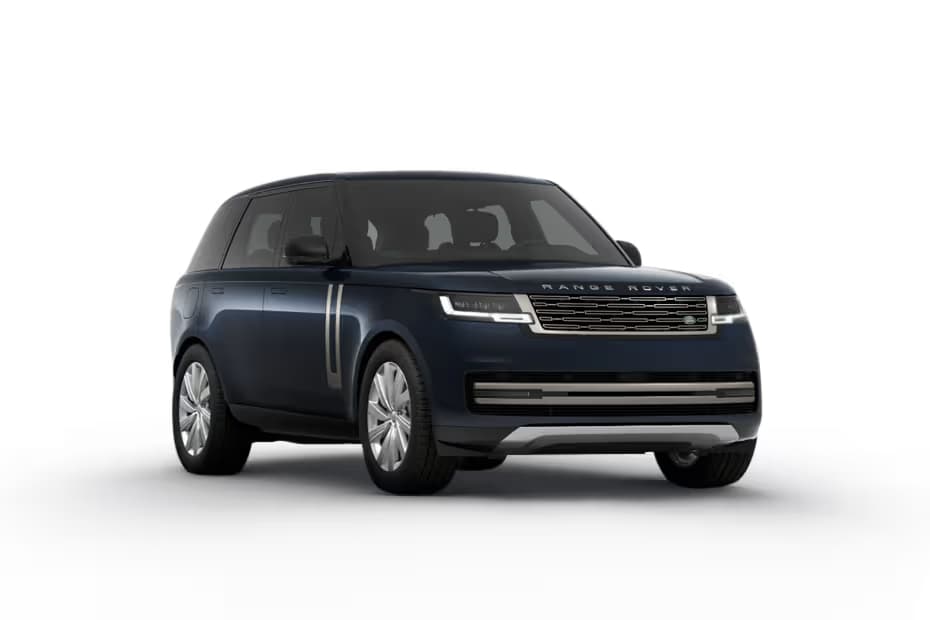
Land Rover Range Rover

Land Rover

Range Rover

₹2.31Cr - ₹2.57Cr

9.4AI Car Advisor Score

Diesel

Luxury SUV

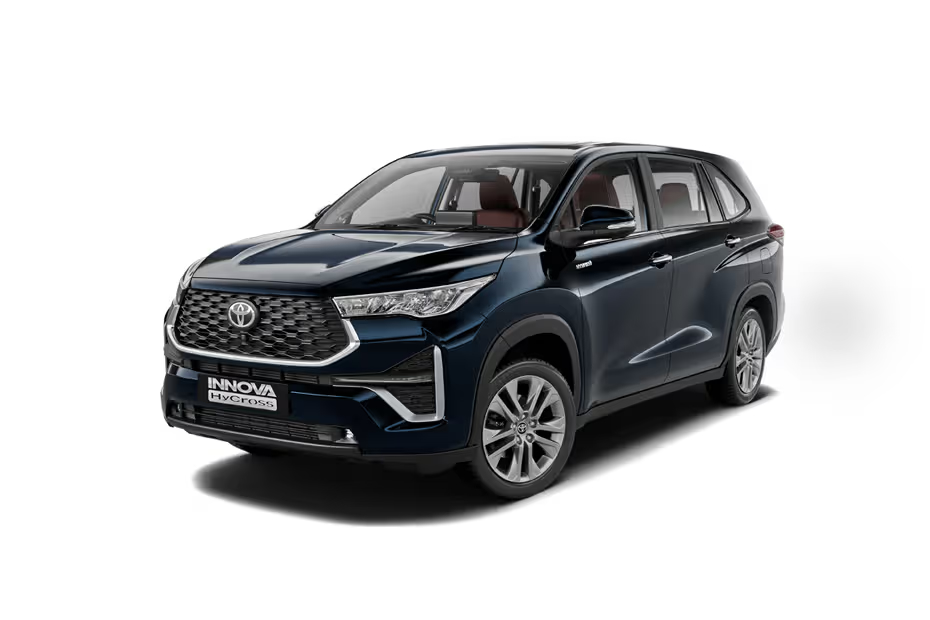
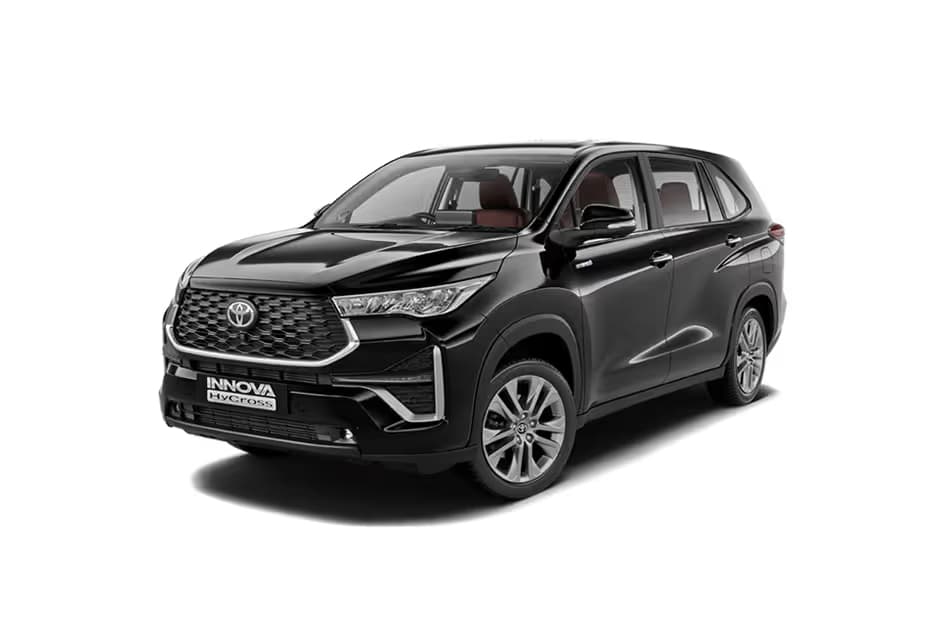
Toyota Innova Hycross

Toyota

Innova Hycross

₹18.70L - ₹32.58L

8.9AI Car Advisor Score

Petrol

MUV

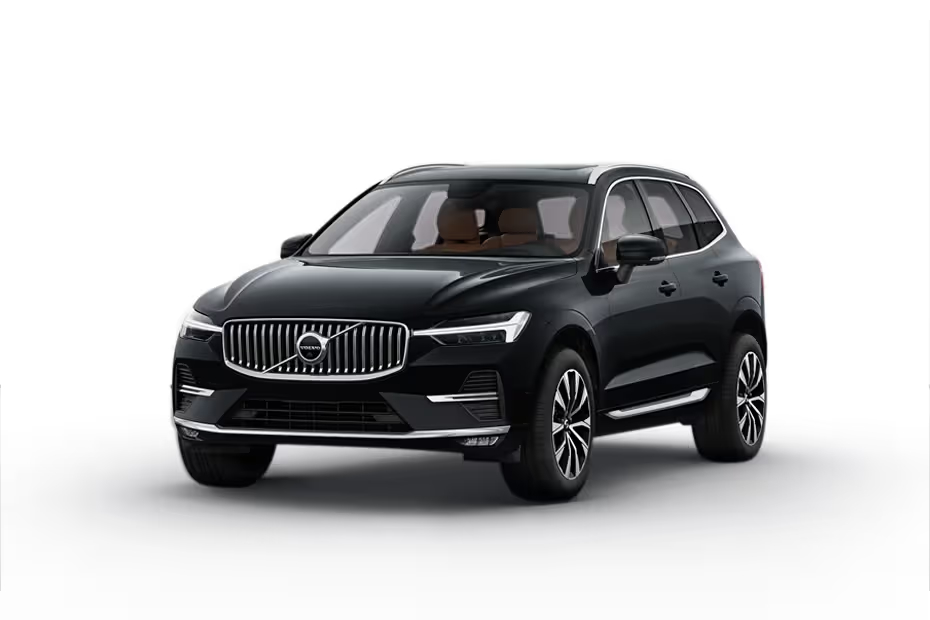
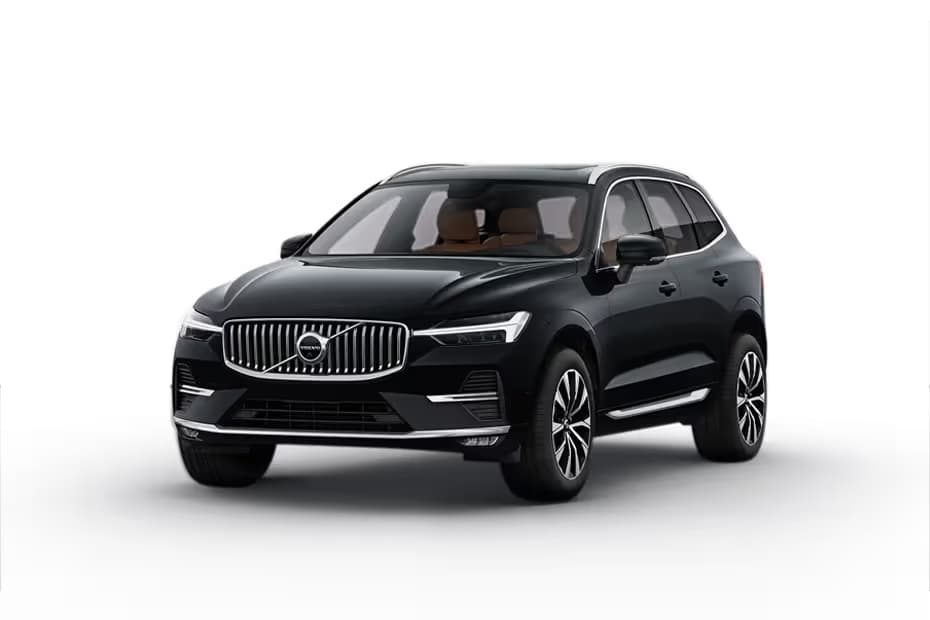
Volvo XC60

Volvo

XC60

₹68.90L - ₹70.75L

9.4AI Car Advisor Score

Petrol

Mid-size SUV

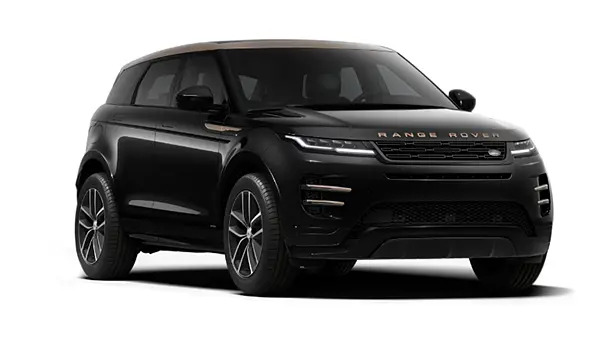
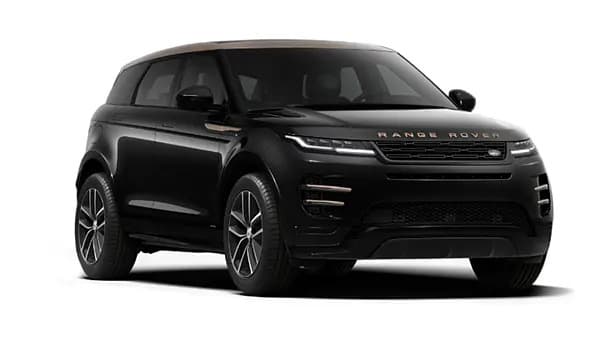
Land Rover Range Rover Evoque

Land Rover

Range Rover Evoque

₹64.86L - ₹64.86L

9.4AI Car Advisor Score

Petrol

Luxury SUV

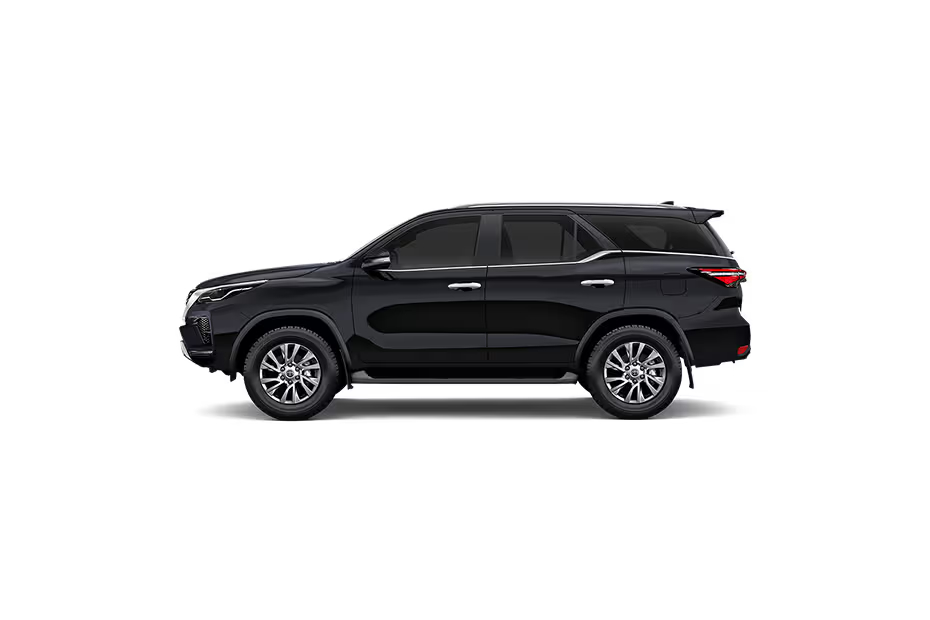
Toyota Fortuner

Toyota

Fortuner

₹34.28L - ₹50.46L

8.9AI Car Advisor Score

Diesel

Full-size SUV

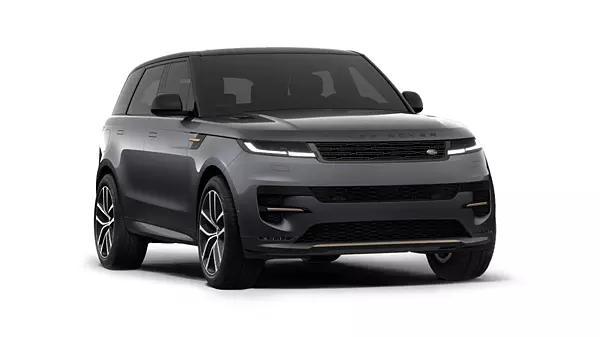
Land Rover Range Rover Sport

Land Rover

Range Rover Sport

₹1.38Cr - ₹1.38Cr

9.4AI Car Advisor Score

Diesel

Luxury SUV

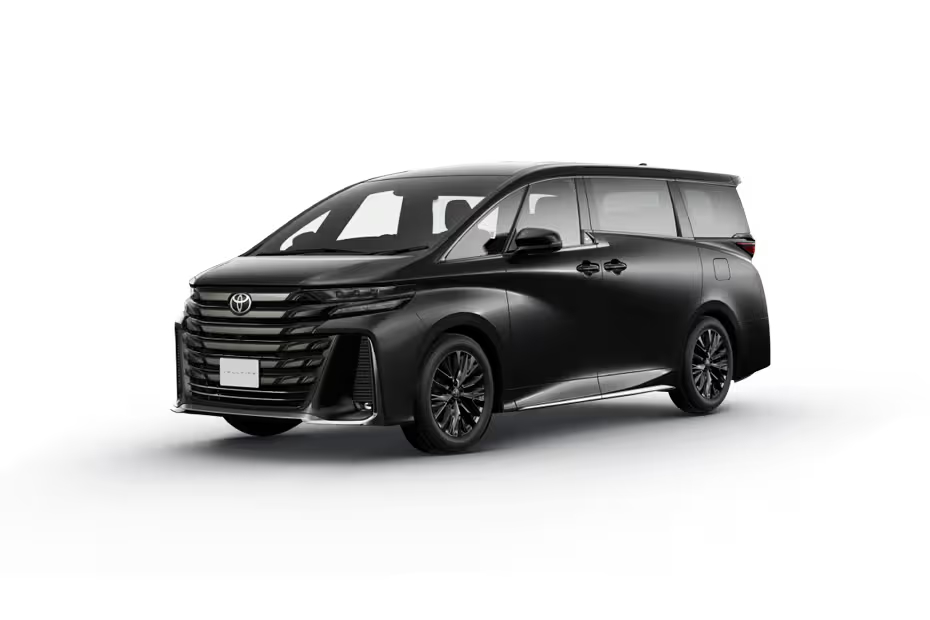
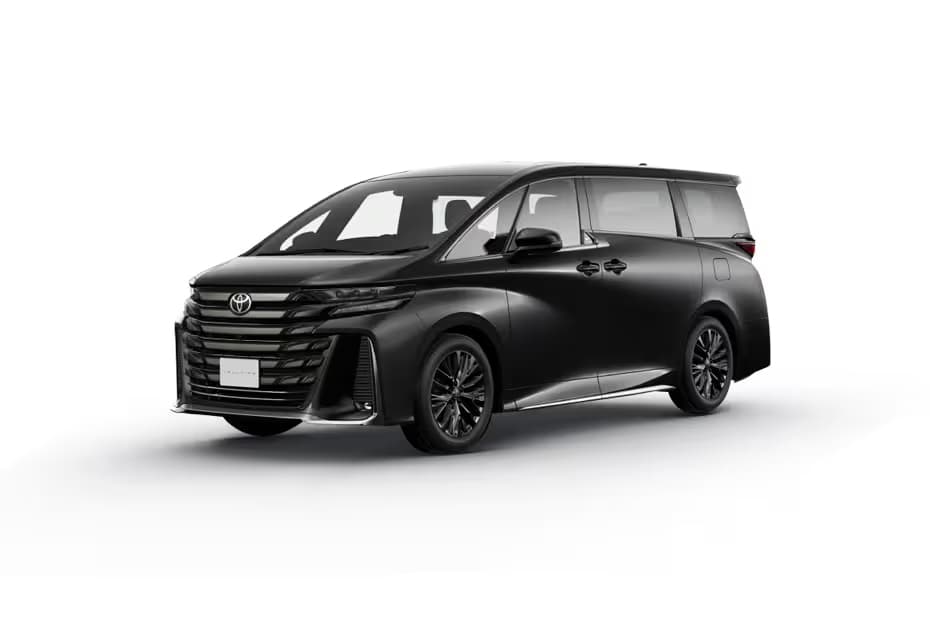
Toyota Vellfire

Toyota

Vellfire

₹1.20Cr - ₹1.30Cr

8.9AI Car Advisor Score

Petrol

MUV

Cars By Brands

The most well-known car manufacturers in India as of early 2026 are still Maruti Suzuki, Tata Motors, Mahindra, Hyundai, and Toyota. To cope with evolving Indian tastes, these leaders, together with Kia and MG Motor, have made a significant shift toward strong SUVs and advanced EVs.

Comparing real-world functionality and safety is more important in determining the proper fit than brand names. Checking the AI Score enables you to go behind the brochures and discover actual value for your money, whether you're searching for a powerful Tata EV or a solid Toyota hybrid.

Browse Cars by Body Type

Body type shapes how a car feels in city traffic, on highways, and on rough roads. Explore SUV, sedan, hatchback, MUV, coupe, and pickup options side by side so you can pick the form factor that fits your family size, luggage needs, and driving style without guesswork.

Upcoming Hybrid Cars in India 2026

Stay ahead of new launches with upcoming Hybrid cars expected in India. Check estimated prices, likely features, and launch windows so you can decide whether to buy now or wait for the next model that better matches your priorities.

Volkswagen Tera
Volkswagen
Tera

Starting from ₹8.00L*

15 Sept 2026
Volvo EX90
Volvo
EX90

Starting from ₹1.20Cr*

15 Sept 2026Electric
Skoda Slavia Facelift
Skoda
Slavia Facelift

Starting from ₹11.99L*

25 Sept 2026
Volkswagen Virtus Facelift
Volkswagen
Virtus Facelift

Starting from ₹11.99L*

25 Sept 2026

View all upcoming cars

Compare Hybrid Cars

India’s car market offers hundreds of options, and even similar models can differ significantly in performance, features, and long-term cost. Our side-by-side comparison tool helps you evaluate price, mileage, safety, and key features in one clear view. Make decisions with confidence, backed by real data instead of guesswork.

Compare Cars by Budget, Features & Mileage

Sort cars by price, check key features, and compare mileage easily. It’s a simple way to narrow down choices and find what fits you best.

Compare Cars Now
Maruti Suzuki Grand Vitara Sigma SUV Petrol car front three-quarter view India 2026 price mileage safety specs side by side car comparison vs Toyota Hyryder AiCarAdvisor
Maruti Suzuki

Grand Vitara

Sigma

₹11.42L

VS
Toyota Hyryder E Hatchback Petrol car front three-quarter view India 2026 price mileage safety specs side by side car comparison vs Maruti Suzuki Grand Vitara AiCarAdvisor
Toyota

Hyryder

E

₹11.31L

Grand Vitara vs Hyryder

Find the Best Cars in India by Category, Price & Features

Explore cars by body type, price range, fuel type, and popular segments to narrow your search faster. Each path below leads to curated listings and tools that help you compare options and move from research to a confident shortlist.

Most Reliable Car Brands

2026 rankings of India's most reliable car brands based on service costs, resale value, and owner-reported issues.

Popular Cars

The most purchased cars in India right now based on real buyer demand, usage patterns, and ownership trends.

Electric Cars (EV)

Analyze India's fastest-growing segment. Compare driving range, charging time, and total cost of ownership before making the switch.

Best Cars by Budget

Quickly shortlist cars within your price range while balancing essential features, comfort, and long-term value.

Top Cars by AI Score

Every car is evaluated across multiple parameters including safety, features, performance, and ownership cost to deliver unbiased rankings.

Upcoming Cars

Track upcoming launches with expected specifications, features, and pricing insights before they hit the market.

Stay Updated with Latest Car News & Buying Tips

What Makes Hybrid Cars the Smartest Buy in India?

2026 is becoming a major turning point for hybrid cars in India as rising petrol prices, improving hybrid technology, and inconsistent EV charging infrastructure continue to reshape buyer preferences. With petrol prices staying above ₹100 per litre in many cities, strong hybrid cars delivering up to 27–28 kmpl ARAI mileage are now dramatically cheaper to run than conventional petrol SUVs. At the same time, many Indian buyers still want unrestricted highway usability and fast refuelling convenience without depending on public charging networks.

Strong hybrid cars like the Toyota Urban Cruiser Hyryder, Maruti Grand Vitara, Toyota Innova Hycross, and Honda City e:HEV are designed specifically for real-world urban traffic conditions. In stop-and-go city driving, the petrol engine frequently switches off while regenerative braking recovers energy during braking and deceleration. Since Indian metro traffic involves constant low-speed movement, hybrid systems can operate on electric power more often, helping improve fuel efficiency significantly during daily commuting.

Toyota and Maruti have also spent years refining their self-charging hybrid systems for Indian roads. Their e-CVT gearboxes, hybrid battery management systems, and regenerative energy recovery technology have already established a strong reputation for reliability, smoothness, and predictable ownership costs.

Hybrid cars give buyers EV-like fuel savings without forcing them to depend on charging infrastructure. For Indian buyers who drive primarily in city conditions, a strong hybrid car can reduce annual fuel costs by approximately ₹40,000–₹60,000 compared to an equivalent petrol SUV.

Strong Hybrid vs Mild Hybrid vs Plug-in Hybrid — What's the Real Difference?

Strong Hybrid Cars — A strong hybrid car uses a full-power electric motor that can drive the vehicle independently at low speeds without relying on the petrol engine. In city traffic, the engine automatically switches off during signals and slow-moving conditions, while regenerative braking recharges the battery without external charging. Strong hybrid cars like the Maruti Grand Vitara, Toyota Urban Cruiser Hyryder, Toyota Innova Hycross, Honda City e:HEV, and Toyota Camry currently deliver some of the best fuel efficiency figures in India, offering around 25–28 kmpl ARAI mileage and approximately 22–26 kmpl real-world city mileage.

Mild Hybrid Cars — A mild hybrid car uses a smaller battery and electric motor only to assist the petrol or diesel engine during acceleration and start-stop driving conditions. Unlike a strong hybrid, the vehicle cannot run purely on electric power. Fuel savings are typically around 8–12% better than comparable non-hybrid models. Several premium and luxury vehicles in India now use mild-hybrid technology, including select models from Mercedes-Benz, BMW, and Land Rover.

Plug-in Hybrid (PHEV) — A plug-in hybrid vehicle combines a petrol engine with a larger battery that can be charged externally. Most PHEVs can travel 40–80 km on pure electric power before the petrol engine activates. PHEV availability in India remains limited today, but brands like BMW, Mercedes-Benz, Audi, and Volvo are expected to expand their plug-in hybrid lineup in 2026.

Most Fuel Efficient Cars in India (2026 Mileage List)

Compare the most fuel-efficient cars in India by real-world mileage, price, and fuel type. Strong hybrids are a 2026 favourite for city buyers who want high kmpl without plugging in.

In stop-go traffic, strong hybrids often beat conventional petrol SUVs by a large margin because the electric motor covers low-speed driving. On open highways above ~90 kmph, the efficiency gap narrows.

Use this mileage list to compare hybrid leaders with petrol, diesel, CNG, and EV alternatives before you shortlist.

  • Hybrid efficiency leaders: Maruti Grand Vitara, Toyota Urban Cruiser Hyryder, Honda City e:HEV — typically 22–28 kmpl real-world city
  • Family hybrid pick: Toyota Innova Hycross for space with strong efficiency
  • Best hybrid use-case: mostly city driving with occasional highway trips and no charging setup
  • Cross-fuel check: CNG can be cheaper per km where stations are dense; EVs win on ₹/km with home charging

For mixed urban driving without EV charging, these strong hybrids sit near the top of India's 2026 fuel-efficiency rankings.

What is Hybrid Car Mileage in India — ARAI Figures vs What You'll Actually Get

Hybrid car mileage is one of the biggest reasons buyers are considering hybrid vehicles over conventional petrol SUVs in India. However, understanding the difference between official ARAI mileage and real-world fuel efficiency is important before comparing models. ARAI figures are tested under controlled laboratory conditions, while actual mileage depends on traffic, air-conditioner usage, driving style, passenger load, and road conditions. In real-world driving, these factors can reduce mileage by approximately 10–20%.

For buyers searching for the best mileage hybrid car in India, strong hybrids currently offer the biggest efficiency advantage in city traffic. Most strong hybrid systems deliver their biggest fuel-efficiency gains at low urban speeds below 40–50 kmph. Once highway cruising speeds consistently rise above 90 kmph, the efficiency gap between a strong hybrid and a modern petrol car becomes noticeably smaller.

  • Maruti Grand Vitara (Strong Hybrid): ARAI 27.97 kmpl — City 23–25 kmpl, Highway 20–22 kmpl
  • Toyota Urban Cruiser Hyryder (Strong Hybrid): ARAI 27.74 kmpl — City 22–25 kmpl, Highway 19–22 kmpl
  • Maruti Invicto (Strong Hybrid): ARAI 23.24 kmpl — City 19–22 kmpl, Highway 17–19 kmpl
  • Toyota Innova Hycross (Strong Hybrid): ARAI 21.10 kmpl — City 17–20 kmpl, Highway 16–18 kmpl
  • Toyota Camry (Strong Hybrid): ARAI 23.27 kmpl — City 19–22 kmpl, Highway 18–20 kmpl
  • Toyota Fortuner (Mild Hybrid): ARAI 10.26 kmpl — City 9–11 kmpl, Highway 13–15 kmpl

Hybrid Car Ownership Costs, Fuel Savings & Long-Term Value

The total cost of owning a hybrid car in India goes far beyond the ex-showroom price. While many buyers initially compare only purchase prices, the real financial advantage of hybrid vehicles comes from lower running costs, improved fuel efficiency, and long-term savings compared to regular petrol SUVs.

Purchase Cost — The hybrid car on-road price in India is usually 12–18% higher than the ex-showroom price depending on the state. For example, the Maruti Grand Vitara strong hybrid priced at ₹16.63 lakh ex-showroom typically reaches around ₹19.5–20.5 lakh on-road in metro states like Maharashtra or Karnataka.

Long-Term Ownership — For buyers covering around 1,500 km per month, a strong hybrid can reduce annual fuel expenses by approximately ₹45,000–₹65,000 compared to a similar petrol SUV. Over a typical five-year ownership cycle, total savings can reach ₹2.25–3.25 lakh, helping offset the initial hybrid premium significantly. Hybrid ownership costs have also become more predictable because manufacturers like Toyota and Maruti now provide battery warranties of up to 8 years or 1.6 lakh kilometres.

  • Strong Hybrid: ₹2.0–2.5 per km estimated running cost
  • Mild Hybrid: ₹5.0–6.5 per km
  • Standard Petrol: ₹6.0–8.0 per km
  • Diesel: ₹4.5–5.5 per km

Best Hybrid Cars Across Every Budget in India

Hybrid Cars Under ₹20 Lakh — The biggest growth in hybrid cars in India is currently happening in the under ₹20 lakh segment. Models like the Maruti Grand Vitara and Toyota Urban Cruiser Hyryder have made strong hybrid technology far more accessible to everyday buyers. This segment is ideal for urban buyers who drive regularly in city traffic and want meaningful savings on monthly fuel expenses.

Hybrid Cars ₹20–50 Lakh — The ₹20–50 lakh hybrid car segment focuses on buyers who want better space, comfort, and premium features along with fuel efficiency. Models like the Toyota Innova Hycross and Maruti Invicto offer spacious 7-seat practicality combined with strong hybrid technology. Cars like the Toyota Camry and Toyota Fortuner cater to buyers who want executive sedan comfort or strong SUV road presence.

Luxury Hybrid Cars Above ₹50 Lakh — Luxury hybrid cars in India focus more on refinement, performance, and smoother power delivery than outright fuel savings. Vehicles like the Toyota Vellfire, BMW M5, Mercedes-Benz luxury sedans, Range Rover, and Land Rover Defender use electrified powertrains primarily to enhance refinement and moderate efficiency improvement.

Hybrid Cars for Daily City Driving — What Makes Them Different?

The right fuel type depends entirely on your driving pattern, home charging access, budget, and daily usage conditions. Buyers comparing hybrid vs petrol vs electric cars in India are evaluating convenience, long-distance usability, charging accessibility, and ownership costs in 2026.

Strong hybrid cars are becoming increasingly popular among Indian urban buyers because they combine petrol convenience with lower city running costs without depending on charging infrastructure. EVs continue to offer the lowest running costs for city-only usage, while petrol cars remain the most affordable option for buyers with lower monthly driving requirements.

  • Starting Price: Strong Hybrid ₹16.5 Lakh | Mild Hybrid ₹16.5 Lakh | Petrol ₹6 Lakh | Electric ₹10 Lakh
  • City Mileage: Strong Hybrid 22–26 kmpl | Mild Hybrid 14–18 kmpl | Petrol 10–14 kmpl | Electric ₹0.8–1.2/km
  • Highway Efficiency: Strong Hybrid 18–22 kmpl | Mild Hybrid 13–17 kmpl | Petrol 14–18 kmpl | Electric 300–500 km range
  • External Charging: Strong Hybrid No | Mild Hybrid No | Petrol No | Electric Yes
  • Running Cost/km: Strong Hybrid ₹2–2.5 | Mild Hybrid ₹5–6.5 | Petrol ₹6–8 | Electric ₹0.8–1.2
  • 5-Year Fuel Saving vs Petrol: Strong Hybrid ₹2.5–3.5 Lakh | Mild Hybrid ₹40–70K | Petrol Baseline | Electric ₹4–6 Lakh
  • Best For: Strong Hybrid City commuters | Mild Hybrid Premium buyers | Petrol Budget buyers | Electric Short urban commuters

Who Benefits Most from Strong Hybrid Cars?

Whether a hybrid car makes financial and practical sense depends entirely on how, where, and how much you drive. Here's an honest breakdown based on real Indian driving conditions in 2026.

  • Buy a Hybrid Car in 2026 If: You drive more than 40 km daily in heavy city traffic; your monthly fuel expense exceeds ₹5,000; you want lower running costs without home charging; you take frequent highway trips without range anxiety; you are upgrading from an older petrol car for better refinement and efficiency.
  • Consider Alternatives If: Your driving is mostly highway above 80 kmph; you cover less than 800 km per month; you have reliable home charging and drive mostly in the city (EV may be cheaper); you are on a strict upfront budget.

For most Indian urban buyers driving daily in city traffic, a strong hybrid car is the most financially rational, convenient, and practical choice in 2026.

Hybrid Cars Launching in India in 2026 — Expected Prices and What We Know

The market for upcoming hybrid cars in India is expected to expand significantly in 2026 as more manufacturers invest heavily in hybrid technology. The success of Toyota and Maruti strong hybrid models has already proven that Indian buyers are willing to pay for better fuel efficiency without depending entirely on EV charging infrastructure.

The next big hybrid battle in India will happen in the ₹20–35 lakh SUV segment — Hyundai, Kia, and Honda are all likely to introduce new strong hybrid SUVs targeting urban buyers. Industry reports also suggest Hyundai could introduce hybrid technology in future premium SUV models positioned around the ₹30 lakh segment by late 2026.

Luxury manufacturers including BMW, Mercedes-Benz, Audi, and Land Rover are also expanding mild hybrid technology across SUVs and executive sedans. Plug-in hybrid vehicles are expected to gain momentum in premium segments where buyers have better access to home charging infrastructure.

What You Should Check Before Buying a Hybrid Car in India

Mileage ROI — Calculate how much fuel you realistically consume every month and how quickly fuel savings can recover the hybrid premium. For buyers covering around 1,500 km monthly, a strong hybrid can reduce annual fuel expenses by approximately ₹50,000–₹65,000 compared to a similar petrol SUV.

Battery Warranty — Prioritise models offering at least an 8-year or 1.6 lakh km battery warranty. Toyota and Maruti currently provide some of the strongest hybrid warranty support in India.

Service Network — Hybrid-specific servicing requires trained technicians and specialised diagnostic equipment. Toyota and Maruti offer the widest hybrid service coverage across India, including Tier-2 cities.

Resale Value — Toyota strong hybrids currently maintain stronger resale value than many comparable petrol vehicles because of proven reliability and growing demand for used hybrid cars in India.

Driving Pattern Match — If more than 60% of your driving happens inside city limits, a strong hybrid will usually outperform petrol and diesel alternatives in overall cost-per-km efficiency.

Compare hybrid cars side by side, check on-road prices for your city, and explore all variants using the tools above.

Frequently Asked Questions About Hybrid Cars in India

These frequently asked questions cover real buyer concerns about Hybrid cars in India — from price and mileage to safety, ownership cost, and how to choose the right model. Use them as a quick guide before you dive into detailed comparisons.

Which are the most fuel efficient cars in India in 2026?

Strong hybrids such as Maruti Grand Vitara and Toyota Urban Cruiser Hyryder rank among the most fuel efficient cars in India for city driving, typically returning around 22–28 kmpl real-world without external charging.

Which are the best hybrid cars in India in 2026?

Maruti Grand Vitara, Toyota Urban Cruiser Hyryder, Toyota Innova Hycross, and Toyota Camry are among the best hybrid cars available in India in 2026.

Which hybrid car gives the best mileage in India?

The Maruti Grand Vitara and Toyota Urban Cruiser Hyryder deliver some of the best hybrid car mileage figures in India with ARAI-certified efficiency of around 27 kmpl.

Are hybrid cars worth buying in India?

Yes, hybrid cars are worth buying in India for buyers looking for lower fuel costs, better city mileage, and petrol convenience without depending on EV charging infrastructure.

What is the difference between strong hybrid and mild hybrid cars?

Strong hybrid cars can drive on electric power alone at low speeds, while mild hybrid systems only assist the petrol engine during acceleration and stop-start conditions.

Which hybrid SUV is best in India?

Toyota Urban Cruiser Hyryder, Maruti Grand Vitara, and Toyota Innova Hycross are among the best hybrid SUVs currently available in India.

What are the upcoming hybrid cars in India in 2026?

Several upcoming hybrid cars in India are expected from Hyundai, Kia, Honda, BMW, Mercedes-Benz, and Audi during 2026.

Do hybrid cars need charging?

No, hybrid cars do not require external charging because the battery charges automatically through regenerative braking and engine support systems.

Are hybrid cars better than electric cars (EVs) in India?

Hybrid cars are better for buyers who want unrestricted long-distance travel and no charging concerns, while EVs are better suited for lower running costs in city driving conditions.

Which is the cheapest hybrid car in India?

The Maruti Grand Vitara and Toyota Urban Cruiser Hyryder are currently among the most affordable strong hybrid cars in India with prices starting around ₹16 lakh.

How long does a hybrid car battery last in India?

Most hybrid car batteries typically last around 8–10 years under normal usage conditions. Brands like Toyota and Maruti also provide battery warranties of up to 8 years or 1.6 lakh km.